Table of Contents


The Ultimate Guide to Launching a Successful Craft Beverage Brand
Published Date: 15 January 2025
Last Updated: February 2026
Launching a successful craft beverage brand requires a solid brewery business plan and reliable logistics for craft beverages. From sourcing brewery equipment to managing cold chain shipping, Brew Movers provides the white-glove service needed to grow your successful brewery today.
Do you dream of turning your passion for craft beverages into a thriving business? With the industry continuing to expand, now is the perfect time to start your own brewery.
While the process can feel overwhelming, a well-crafted brewery business plan can set you up for success from the outset. Fortunately, we’ve gathered some valuable tips to help you get on the right path.
In this guide, we’ll walk you through the essential steps to launch a successful beverage brand, from market research to branding and craft beverage logistics. Whether you are starting a manufacturing facility or an online beer business, we can help turn your dream of running a successful brewery into reality.
Understanding the Craft Beverage Industry
Before diving into any market, understanding the ins and outs is pivotal, and the beverage industry is no exception. Before purchasing brewery equipment, you’ll need to understand your target consumers first.
Additionally, the market is competitive. With new brands emerging regularly, any new business should consider the following key points:
- Market trends: The demand for craft beverages, including beer, spirits, kombucha, energy drinks, and soft drinks, is rising. Discovering unique beverage trends and flavors increasing in popularity can help you gauge what you should focus on offering.
- Global Context: While global giants like the Coca-Cola Company or Anheuser-Busch dominate the mass market, there’s immense room for innovation in the craft space.
- Target audience: Your audience consists of stakeholders and customers looking for quality. Identifying if they prefer bottled water, coffee, or craft alcohol is a key step in your strategy. This information can also help you name your beverage brand and develop your marketing strategy.
- Competitor analysis: Study what other successful alcohol brands are doing, from their sales strategies to their production methods.
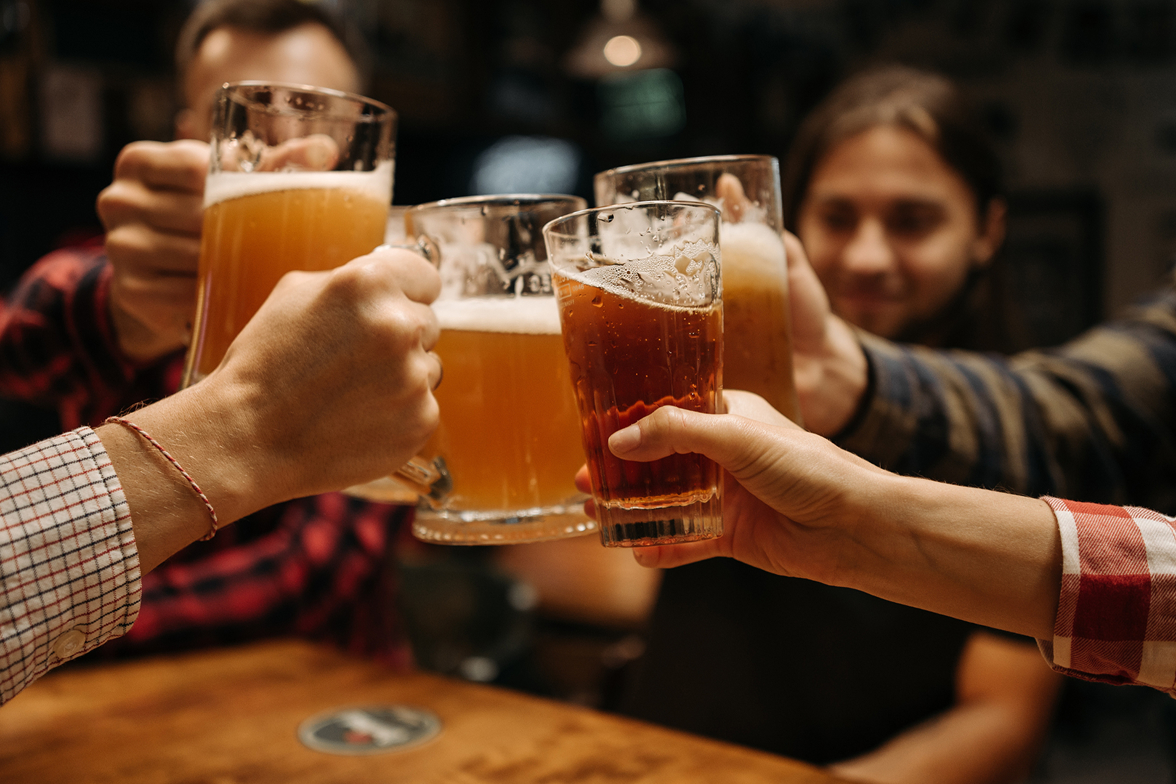
Source: Canva
Building Your Brand Identity
Your success depends on a standout brand identity. Here’s how to craft a brand that resonates with your ideal market.
Define Your Mission and Values
This is your “why.” Well-defined values set your brand apart from others to potential investors and team members. Whether you’re creating a brewery, a taproom, or a brewpub, dedicating time to this step is well worth the money.
For your annual revenue to climb, your story must be authentic. Are you committed to sustainability or small-batch production? Is your brand name linked to a unique story? At its core, what (and whom) does your brand represent?
Create a Memorable Name and Logo
Standing out requires refined craft beverage branding. Choose a name that aligns with your personality, whether you are selling wine, spirits, or beer. Pair it with a logo that works across all labels and packaging. This is an integral part of your business startup process.
Develop Unique Packaging
Your packaging plays a significant role in consumer decisions. If a label fails to make a lasting impression, customers may miss out on your amazing product. Your design should reflect your quality and meet all legal requirements.
| Pro Tip: For visual components (your label, logo, and any marketing materials), working with a marketing professional or graphic designer can help ensure quality and continuity. These worthwhile investments establish your brand as a professional business. |
Perfecting Your Product
Creating a high-quality product with the right brewing equipment is the cornerstone of your craft beverage brand.
- Experiment and refine: Work with experienced brewers, sommeliers, or food scientists to perfect your process.
- Source premium ingredients: Consumers value authenticity. Whether you are shipping kegs of beer or sourcing malt and hops, quality is non-negotiable.
- Small-batch testing: Before scaling to a new facility, test your product with focus groups and adjust it based on the feedback.
Selecting Distribution Channels
Now that production is finished, where will you sell your product? Distribution is one of the most critical elements of a successful beverage brand. Even the best beverages can fail to reach the right people and places with inefficient logistics management.
Whether you are moving craft beer, spirits, wine, or even soft drinks and energy drinks, your strategy must be airtight. Consider the following distribution strategies:
- Direct-to-Consumer (DTC): Selling your drink direct-to-consumers online is a popular option worth considering. E-commerce platforms and subscription boxes make it easier than ever to sell directly to your audience.
- Retail Partnerships: Build relationships with local retailers, grocery stores, and specialty shops to stock your product.
- On-Premise Sales: Partner with restaurants, bars, and cafes to introduce your beverage to consumers in curated environments.
Navigating Logistical Hurdles
Starting a craft brewery or distillery, unfortunately, brings logistical headaches associated with transporting alcohol. Here’s how to navigate them:
Managing “Red Tape”
Complying with different state and provincial regulations for beverage businesses is a stringent process best left to experts well-experienced in the field. At Brew Movers, we specialize in managing these complexities so you can focus on your brew.
Maintaining Product Quality
Temperature control is vital for maintaining quality. While traditional reefer freight is an option, it can be expensive.
Pallet Parka, our proprietary insulation system, offers an economical solution for chilled chain shipping without risking damaged products. This is how successful brewery owners see significant savings on their shipping costs.
Reaching Major Hubs
Whether you’re shipping to York or across North America, meeting tight delivery deadlines can be a challenge. Here’s where partnering with a trusted carrier network makes all the difference. Vetted carriers help reduce delays, protect product quality, and ensure your operations run smoothly as you expand
Learn more: Logistics 101: A Beginner’s Guide to Logistics Management
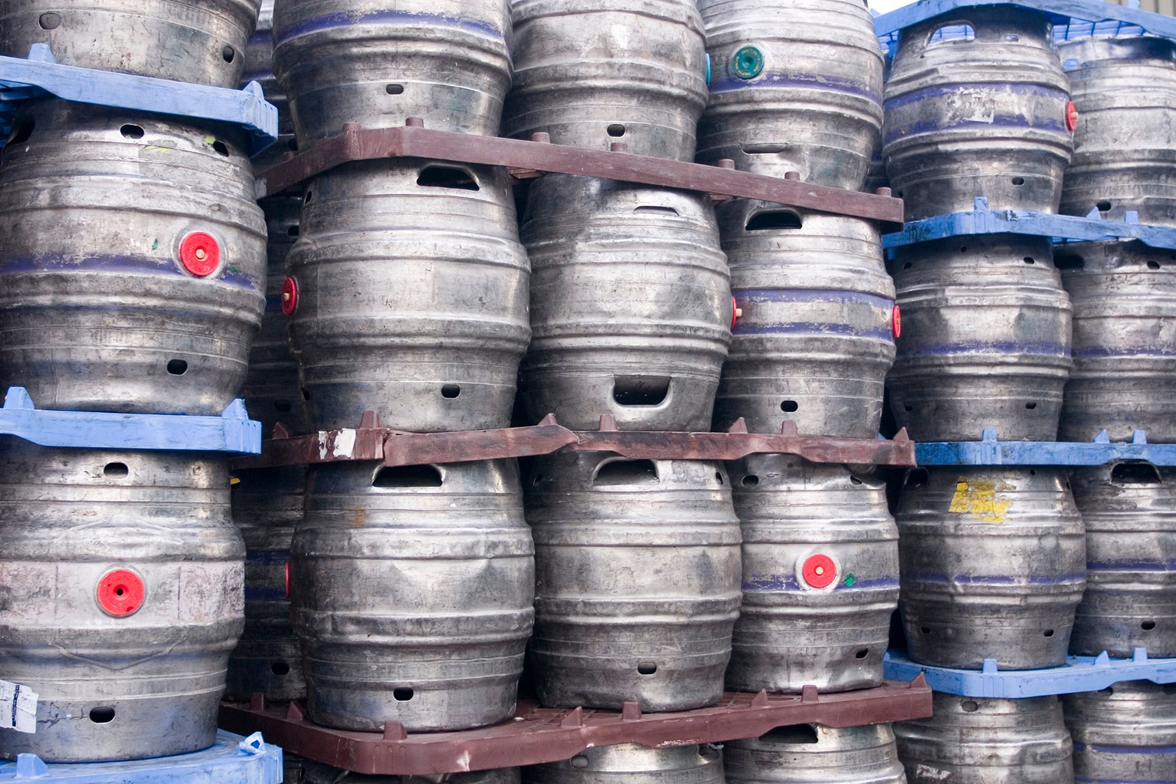
Image Source: Canva
Marketing Your Craft Beverage Brand
A strong marketing strategy drives sales and builds community. Here are a few tips to get started:
- Social Media: Visual platforms like Instagram, TikTok, YouTube, and Facebook are perfect for showcasing your brand’s personality and connecting with your audience.
- Tasting Events: Give potential consumers the chance to try your beverages in person. Pop-up events and festivals allow consumers to try your brew in person.
- Collaboration: Partner with influencers or bloggers in the beverage space to spread the word.
Avoiding Common Pitfalls
Launching a craft beverage brand comes with challenges. Here’s how to sidestep some of the most common pitfalls:
Underestimating costs
Expenses can add up quickly, from production costs to logistics and marketing expenses. Creating a detailed business plan with realistic projections can help you navigate the common roadblocks in your startup journey.
Ignoring Legal Requirements
Ensure your business complies with all applicable local and federal regulations, including obtaining necessary permits and adhering to labeling standards.
Failing to Differentiate Your Brand
Identify what makes your product unique, and communicate it to your audience. Standing out in the crowded alcohol industry is non-negotiable.
FAQs About Launching a Craft Beverage Brand