Table of Contents


Protein Beverages: Trendy or Here to Stay?
Published Date: 23 July 2026
The global protein beverage market is experiencing a lasting transformation as consumption patterns shift from niche gym culture to daily mainstream habits. This explosive growth is being propelled by the rise of protein water, clear protein drinks, ready-to-drink (RTD) options, and even protein-infused cocktails.
Protein drinks have evolved from niche gym supplements into a mainstream market category. These ready-to-drink protein beverages and other formats are reshaping what consumers expect from their sips and setting the trends that will define the next decade.
For beverage brands across every segment, this shift in protein drink market trends carries real implications for production, formulation, and logistics. Here, Brew Movers breaks down what’s driving the growth and what it means for getting your product to market.
Protein Drinks Go Mainstream
Protein has gone mainstream, going far beyond the gym and muscle-building crowd it once served. Competitive athletes, bodybuilders, and weekend warriors chasing a post-workout shake used to be the core audience, but that has since exploded.
In 2024, 61% of consumers increased their protein intake, a significant jump from 48% in 2019. Protein has become a top priority for shoppers, a trend further fueled by the widespread use of GLP-1 weight management medications.
Modern health-focused shoppers are moving beyond specialty nutrition shops for their protein powders and bars. Instead, the protein beverage market has expanded into their daily routines: they’re now grabbing ready-to-drink beverages at grocery checkouts, choosing protein-infused coffee at cafes, and opting for clear protein beverages over standard sports drinks following exercise.
The Numbers Behind the Protein Drink Market
The scale of this market growth is hard to ignore. The RTD protein drinks market is forecast to reach $28 billion by 2033, with a 7% CAGR (Compound Annual Growth Rate). North America leads with a 38.40% share of the global protein beverage market, making it the most competitive regional battleground for beverage manufacturers.
Protein energy drink market trends are tracking similarly, as consumers increasingly replace traditional energy drinks with high-protein alternatives that deliver both a boost and functional nutrition.
When 82% of consumers say they’re willing to add high-protein drinks to their diet, the protein beverage market isn’t a trend waiting to peak. It’s a structural shift in how people consume nutrients.
The Beverage Formats Driving Protein Drink Trends
Not all protein drinks look the same anymore. Innovation in the protein drink market has moved well beyond the classic chocolate whey protein shake, and several newer beverage formats are leading growth.
Clear Protein Beverages and Protein Water
The shift toward more refreshing and lighter options is currently a major influence on protein beverage trends. Within the RTD category, clear protein shakes led the market in sales growth during 2025 with a 34% increase. Ultrafiltered dairy-based shakes closely followed at 25% growth, while protein sodas, shots, and waters saw a 12% rise.
More consumers are interested in protein water and clear protein beverages, as many seek plant or animal proteins without the density of traditional meal-replacement shakes. These lighter formats are easy to consume throughout the day, not just post-workout.
Market trends for protein water emphasize cleaner ingredient profiles, subtle flavoring, and convenient packaging that rivals sports drinks and coconut water. This sector hit $1.38 billion in 2025 and is expected to reach $3.07 billion by 2035.
Protein Coffee
Consumers who already rely on a morning coffee ritual are stacking protein into that habit rather than adding a separate drink.
Protein-enriched coffee hybrids are diversifying the beverage industry and driving demand for specialized proteins that perform in acidic environments, creating real formulation challenges for beverage manufacturers working with whey protein and plant-based sources such as pea or soy protein.
Protein Cocktails
Perhaps the boldest frontier in protein beverage news is protein cocktails. MATE! Vodka Protein Water, a 150-calorie ready-to-drink option at 4.5% ABV (alcohol by volume) with 8 grams of protein per can, saw sales increase 350% in 2025.
In functional beverages alone, protein-related innovation has surged at a triple-digit pace in the past year, signaling that growing consumer preferences favor brands that rethink delivery formats.
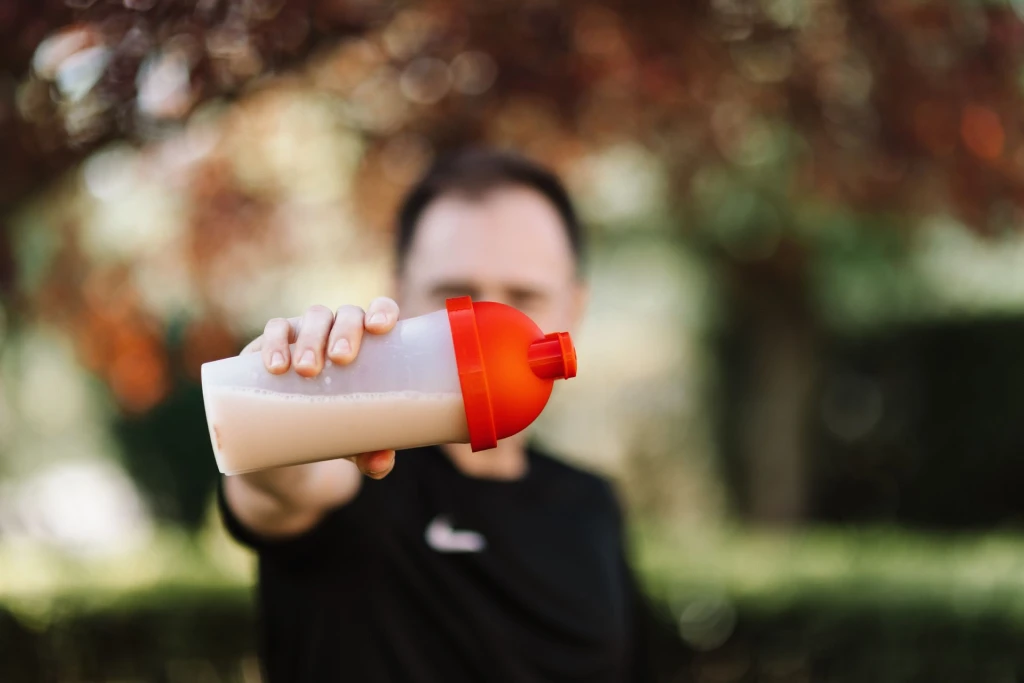
Image Source: Pexels
What’s Driving Consumer Demand?
The audience has broadened well beyond gym-goers. GLP-1 medication users need high-protein drinks to preserve muscle health while losing weight, and older adults are increasingly aware of protein’s role in muscle recovery and physical performance as they age.
Protein source diversity is another key factor. According to data from Mordor Intelligence:
- Whey protein holds a roughly 60% market share in protein beverages, but plant-based protein drinks are gaining ground fast.
- Plant-based protein beverages are expected to grow at a 8.33% CAGR from 2026 to 2031, driven by consumers who prioritize sustainability or have dietary preferences that exclude animal proteins.
- Pea protein shows the highest growth potential among plant-based sources at 8.74% CAGR from 2026 to 2031.
FAQs About Protein Beverages