Table of Contents
- What Is the Regulatory Compliance in the Beverage Industry?
- What are Key Regulations for Beverage Businesses?
- The Cost of Regulatory Compliance in the United States
- How to Stay Ahead of Changing Regulations
- The Role of Logistics in Compliance
- FAQs About Food and Beverage Industry Regulations
- Key Takeaways
- Compliance as a Competitive Advantage

Navigating Regulatory Compliance in the Beverage Industry
Published Date: 26 March 2025
Last Updated: February 2026
Achieving regulatory compliance is essential for beverage company owners. From safety standards to labeling, understanding regulatory compliance requirements ensures your business avoids penalties. Partner with Brew Movers for beverage managed logistics that simplify the red tape.
Expanding a beverage business in the United States requires more than an innovative product, strong supply chain partnerships, and a great marketing strategy. It requires strict adherence to industry regulations and a comprehensive regulatory compliance policy.
From labeling requirements to safety standards, regulatory compliance is the foundation for maintaining product integrity, ensuring consumer trust, and avoiding costly legal repercussions.
Given the dynamic nature of the beverage industry, how can entrepreneurs stay ahead of the curve and ensure regulatory compliance?
The business landscape is fast-moving, but we’re here to explore key compliance requirements, from understanding FDA and TTB regulations to implementing business processes that help your business thrive while staying on the right side of the law.
What Is the Regulatory Compliance in the Beverage Industry?
Simply put, regulatory compliance is the process of ensuring your beverage business complies with federal, state, and local laws and regulations governing production, labeling, distribution, and safety.
Various regulatory bodies and federal agencies enforce these compliance regulations, including the Alcohol and Tobacco Tax and Trade Bureau (TTB), the Food and Drug Administration (FDA), and the United States Department of Agriculture (USDA).
Failure to meet compliance standards can lead to fines, recalls, legal action, or even the shutdown of your operations. That’s why understanding and proactively managing these regulations is crucial for long-term success.
Source: Canva
What are Key Regulations for Beverage Businesses?
Whether you sell your beverage online, own a microbrewery, distribute to local storefronts, or anything in between, you’ll need to understand the following.
1. Labeling and Packaging Compliance
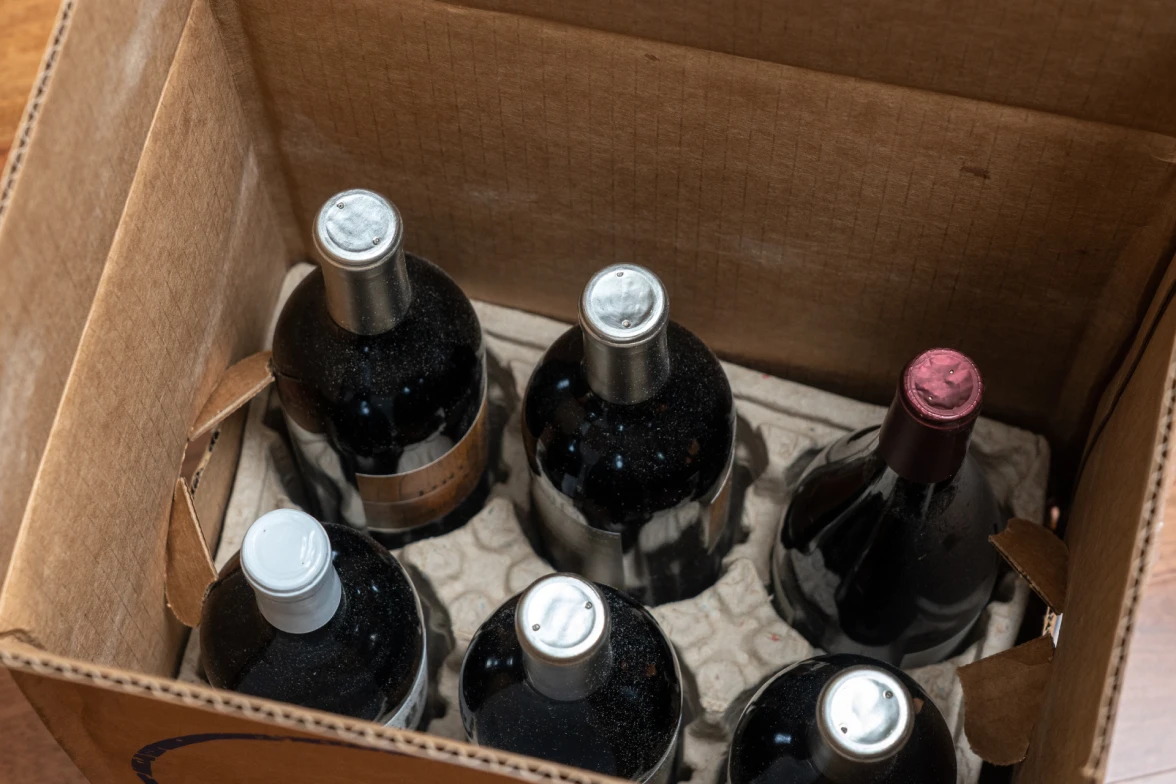
Labeling is one of the most highly regulated aspects of the beverage industry. Your product labels must meet strict FDA or TTB guidelines, depending on whether your beverage contains alcohol.
- Ingredient & allergen disclosure: All ingredients must be listed accurately, along with any potential allergens.
- Nutritional facts panel: Required for non-alcoholic beverages, including calorie, sugar, and sodium content.
- Alcohol labeling (TTB requirements): Alcoholic beverages must follow TTB guidelines, including proof of alcohol content and health warnings.
- Misleading claims: Terms like “natural,” “organic,” or “low-calorie” must meet FDA-defined standards before use on labels.
Noncompliance with labeling laws can lead to costly product recalls or legal action, underscoring the importance of ensuring accuracy before launching a new product.
2. Safety and Quality Control Standards
When you start your beverage business, you’ll need to understand and follow safety and quality control standards and maintain high safety standards. These standards ensure products meet regulatory expectations and protect consumers from harm.
It is important to familiarize yourself with the following:
- Hazard Analysis and Critical Control Points (HACCP): A systematic approach to identifying and preventing food safety hazards.
- Good Manufacturing Practices (GMPs): Regulations that oversee cleanliness, equipment maintenance, and employee hygiene.
- FSMA Compliance: The FDA’s Food Safety Modernization Act (FSMA) requires beverage companies to implement preventative controls to minimize contamination risks.
Regular inspections and safety audits help maintain compliance and prevent costly recalls.
3. Licensing and Permits
Every beverage business must secure the necessary licenses and permits to operate legally.
- FDA or TTB registration: Depending on your product, you may need to register with the FDA or TTB.
- State and local licenses: Each state has different licensing requirements for beverage production and sales.
- Alcohol Beverage Control (ABC) compliance: If you produce or sell alcohol, your business must comply with state-specific ABC laws.
Keeping these permits up to date helps avoid legal issues and ensures smooth operations.
Source: Shutterstock
The Cost of Regulatory Compliance in the United States
Complying with the food and beverage industry regulations costs money, but failing to comply can be even more expensive. Business owners must account for various expenses to remain compliant.
- Testing and certification fees. Often required to verify food safety, necessitating laboratory tests and third-party approvals from a federal regulatory agency.
- Labeling and packaging adjustments. As regulatory compliance laws change, businesses may need to update product labels, leading to unexpected expenses.
- Legal and consulting services. Hiring industry experts or regulatory consultants may be costly initially, but it helps prevent costly legal issues later.
- Operational adjustments. Implementing new safety measures, training employees, and upgrading equipment to meet updated regulatory standards all require financial investment.
How to Stay Ahead of Changing Regulations
The regulatory environment is constantly evolving. To ensure compliance, you must stay proactive. Regulatory compliance management is a core part of successful business processes and involves monitoring major regulatory agencies.
Invest in a Compliance Officer
A dedicated compliance officer helps navigate applicable regulations and legal obligations. They manage regulatory compliance audits and refine your regulatory compliance policy to ensure you meet international organization standards.
Implement Data Security and Privacy Protocols
In the modern era, data security and cybersecurity compliance are essential. If you collect customer information for DTC shipping, you must comply with comprehensive data privacy laws, such as the California Consumer Privacy Act. Organizations collecting data must implement strong data management to prevent data breaches.
Train Employees
Lastly, training employees regularly ensures compliance protocols are followed at every level of the business. A well-trained team minimizes errors and helps maintain consistent regulatory adherence.
The Role of Logistics in Compliance
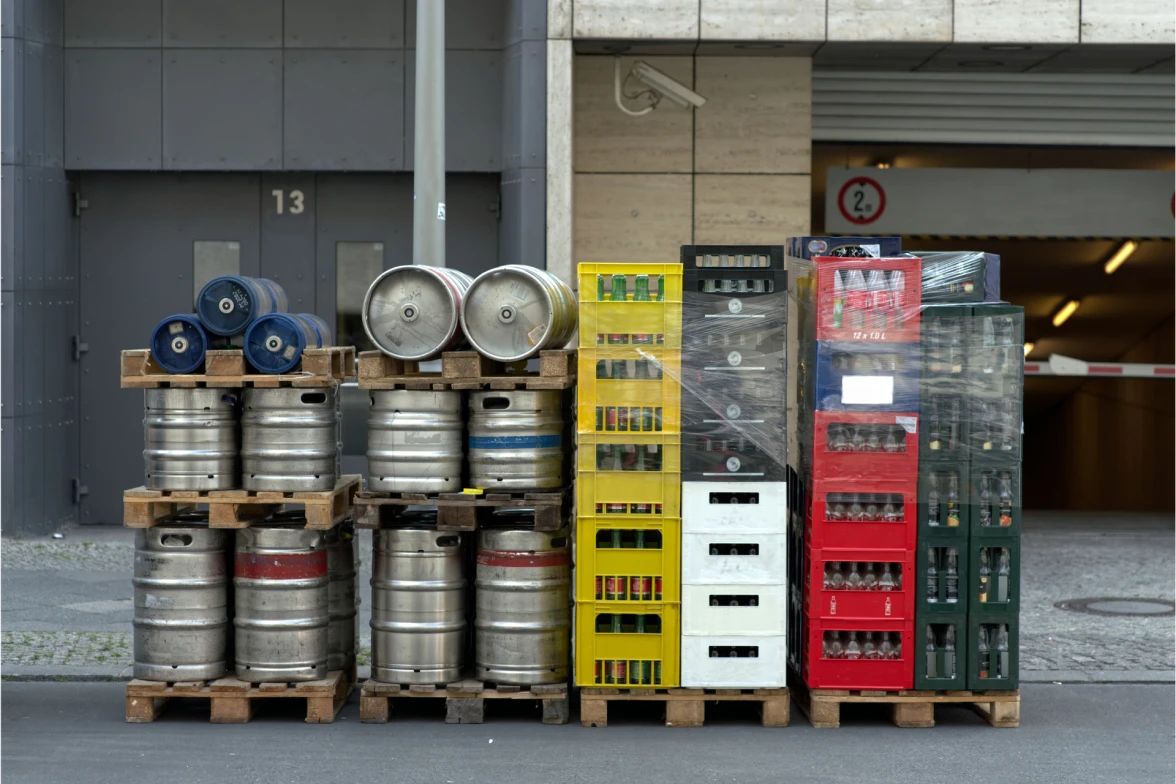
Regulatory compliance does not stop at production. Your distribution and transportation strategy also play an important role. Partnering with a specialized logistics provider like Brew Movers ensures:
- Products are transported under compliant conditions via cold chain shipping to maintain product integrity.
- Proper communication protocols and documentation are maintained for regulatory compliance audits.
- State and federal shipping laws are adhered to, preventing delays or legal issues.
FAQs About Food and Beverage Industry Regulations