Table of Contents

How to Ship Carbonated Beverages: A Logistics Guide
Published Date: 09 July 2026
Shipping carbonated beverages safely means managing three variables: pressure, temperature, and movement. Beverage businesses shipping cans, bottles, or pallets of carbonated drinks need proper packaging, temperature-controlled transport, and carrier expertise to prevent explosions, leakage, and carbonation loss in transit.
Shipping carbonated beverages requires more than good packaging. Pressure, temperature, and movement all affect how your drinks arrive, and getting any one of them wrong can mean burst cans, lost carbonation, or unsalable products.
Whether you’re moving pallets of craft soda or fulfilling direct-to-consumer orders, this Brew Movers guide covers what shippers need to know to safely deliver carbonated drinks to their destination.
Why Do Carbonated Beverages Explode?
Carbonated drinks explode when the built-up CO2 pressure suddenly releases, most often triggered by shaking or freezing.
When Carbonated Drinks Are Shaken
Shaking a sealed carbonated beverage forces the gas bubbles floating at the top into the liquid. Those bubbles become suspended throughout the drink in a larger, less stable form. When the container is opened, the pressure releases all at once, pushing the liquid upward and causing the familiar explosion.
During transportation, cans and bottles that are shaken repeatedly face the same risk of pressure buildup, which is why secure loading practices matter.
What Happens When Frozen Drinks Are Exposed to Extreme Cold?
Frozen drinks present a different but equally serious problem. When water freezes, it expands, increasing pressure inside the container. At the same time, isolated pockets of CO2 are under increasing pressure from the surrounding ice.
Aluminum cans and glass bottles are especially vulnerable because, unlike flexible plastic, they can’t expand and retract safely. The result is a burst container.
Temperature control during transport is non-negotiable for this reason. This includes winter months when frozen drinks are a real risk, even in transit.
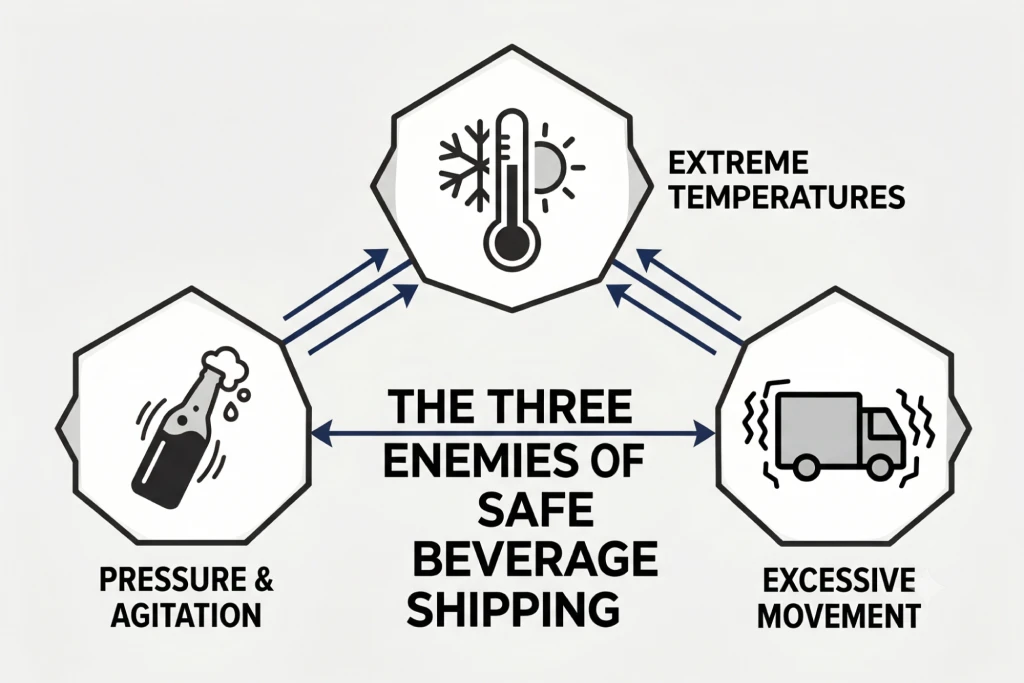
Image Source: Gemini 2026
Shipping Carbonated Beverages by Land
For most beverage businesses, land freight is the primary mode of transportation for carbonated drinks. Whether you’re moving a few cases via parcel or full truckloads of soda, the rules vary by shipment size.
Parcel Shipping: The Basics for Carbonated Drinks
For smaller shipments, the United States Postal Service (USPS) and UPS each have guidelines for shipping carbonated beverages. The general requirements across carriers include:
- Secure closures on every container (screw tops, clips, or soldering)
- A rigid, high-quality box with enough space for cushioning materials
- Bubble wrap or corrugated dividers around individual bottles and cans to prevent collision
- Absorbent materials inside the box to contain any leakage
- Clear labeling: “FRAGILE” and “LIQUID” on the outside of the package
Using corrugated cardboard dividers creates individual cells that prevent cans from colliding or shifting during transit. For 330ml cans on long-distance routes, double-walled boxes offer a necessary secondary layer of security.
Pallet and Truckload Shipping
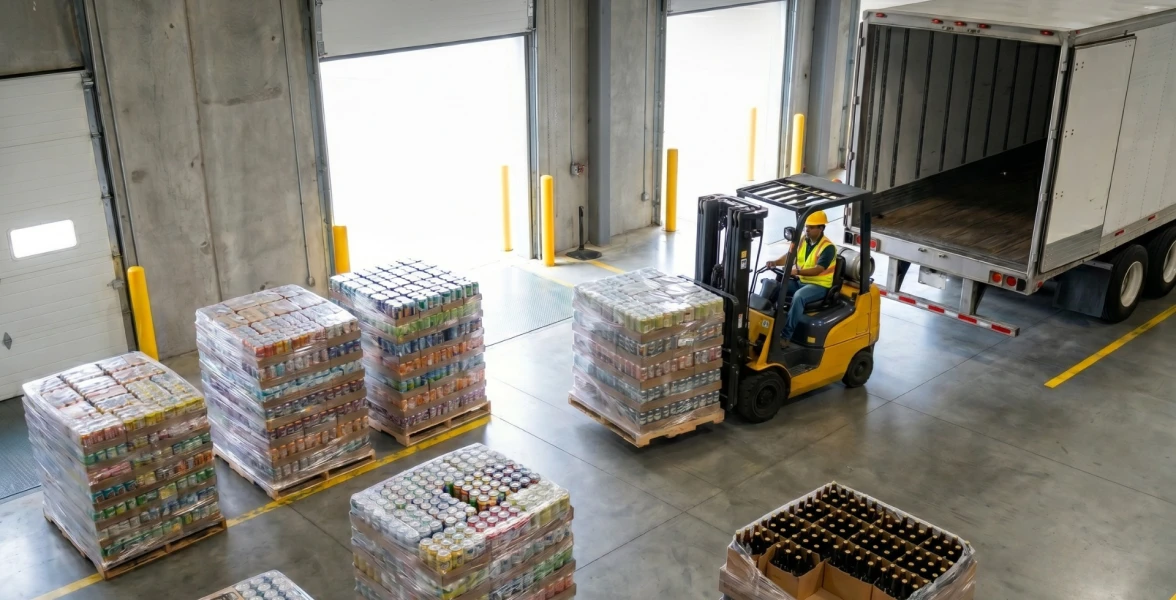
At scale, shipping carbonated beverages requires a more comprehensive approach. For pallet and truckload shipments, shippers should prioritize using the following:
- Strong shrink wrap applied evenly across each pallet to prevent shifting during loading and transit
- Dunnage materials such as airbags, foam, or corrugated cardboard to fill void space in the truck
- Load locks (straps, bars, or lumber bracing) to secure pallets against movement. Avoid stacking other freight on top of carbonated loads to prevent added pressure.
- Temperature-controlled vehicles, especially when shipping through regions with extreme seasonal fluctuations
- Real-time monitoring technology to track product temperature throughout the shipment
Shrink wrap is worth particular attention. Properly applied shrink wrap does more than hold a pallet together. It stabilizes cans against truck vibration, reduces the risk of individual containers being shaken loose, and can lower costs by up to 40% compared to traditional packaging methods.
Temperature fluctuations during transit can affect container pressure for several reasons, including seasonal weather swings and unregulated truck environments.
Cold Chain Shipping and the Pallet Parka
Some carbonated beverages, including kombucha and certain craft sodas, require refrigerated transportation to maintain quality. Cold chain shipping keeps beverages within a consistent temperature range from origin to destination.
For shipments that don’t require full reefer freight, Brew Movers’ proprietary Pallet Parka offers an economical alternative. It insulates pallets against temperature swings without the cost of chilled chain transport, and it works in both directions: keeping beverages cold in summer and preventing them from freezing in winter.
Image Source: Pexels
Shipping Carbonated Beverages By Air
Carbonated beverages can be shipped by air, provided they’re packaged and labeled in compliance with the regulations of the destination country or region. Carbonated drinks contain compressed gas, which places them in a sensitive category. As long as the liquid isn’t in an aerosol can, they’re not considered dangerous goods under standard air freight regulations.
That said, international shipments require careful review of import rules for food and beverages. Some regions have specific restrictions on alcoholic carbonated drinks or require additional documentation.
Failing to comply can result in confiscated product and delayed shipments, which is why working with a logistics partner familiar with cross-border beverage regulations is strongly recommended.
FAQs About Shipping Carbonated Beverages