Table of Contents

What Is Parcel Shipping?
Published Date: 30 May 2024
Last Updated: May 2026
Parcel shipping is a cost-effective shipping method that allows small businesses to send individual packages and small parcel shipments to residential addresses. Learn how small parcel shipping and parcel carriers optimize your supply chain.
Efficient shipping is the lifeblood of success for businesses of all sizes. But when you’re a craft beverage producer or a growing brand, how do you get your products to customers quickly, securely, and cost-effectively? This is where a parcel shipment comes in.
What is parcel shipping? It’s a convenient, cost-effective way for businesses to send individual packages directly to customers. The benefits of parcel shipping for businesses are numerous, making it a popular choice for a wide range of products, from small coffee packages to specialized ingredients.
This guide will explore how parcel shipping works, why it matters for your supply chain, and how it compares to larger freight shipments.
What Does Parcel Mean in Shipping?
In shipping, a parcel shipment is an individual package weighing less than 150 lbs. Most parcel carriers have a maximum combined length and width of around four feet.
Each shipping carrier has specific size and weight limit rules, so it is important to check before you ship. This differentiates small parcels from documents, which are lighter, and from items considered freight, which are much larger.
Examples of parcels include boxes containing merchandise, clothing, and even craft beverages like soda or kombucha. Understanding what qualifies as a parcel is key to choosing the most cost-effective shipping method for your shipping needs.
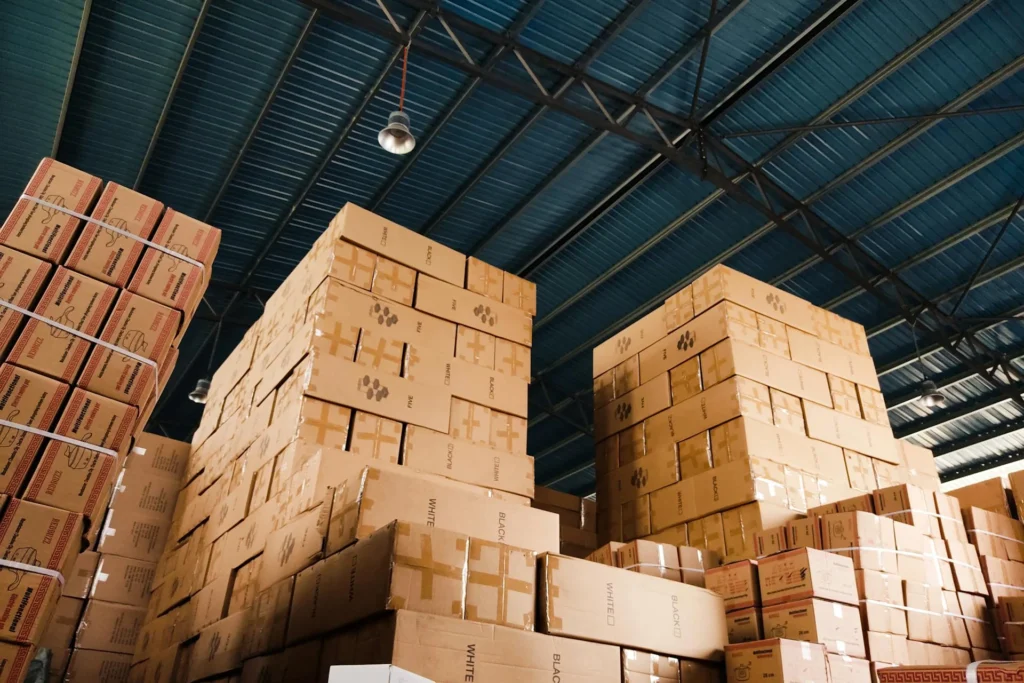
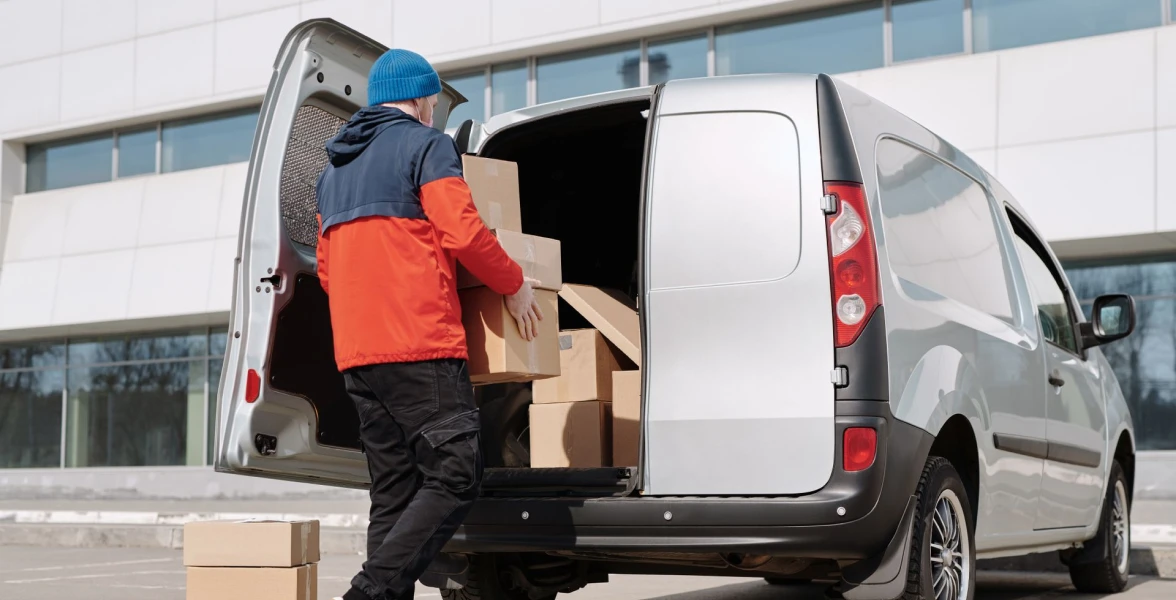
Image source: Pexels
How Does Parcel Shipping Work?
The parcel shipping process is generally straightforward. Here’s a simplified overview of how parcel shipping works:
- Sender packages the goods securely: This involves selecting appropriate packaging materials, such as boxes or coolers, to protect the contents.
- The parcel is picked up or dropped off: Many parcel shipping companies offer pick-up services at your business or residential addresses, while others use drop-off locations.
- Carrier transports the parcel: Once a parcel collection occurs, the shipping carrier moves the item through a network of hubs and conveyor belts for efficient sorting.
- Final delivery: The recipient is notified, and the package is delivered directly to their door.
5 Benefits of Parcel Shipping for Businesses
If you’re considering small parcel shipping services to streamline your operations, here are some of the benefits of parcel shipping you can expect:
Cost-Effectiveness
For small packages, parcel shipping is generally more economical than freight shipping. Small businesses with high-volume shipping can also leverage partnerships with managed logistics companies to negotiate better shipping rates.
Convenience
Small parcel shipping can streamline the fulfillment process. Online tracking capabilities provide real-time visibility into shipment progress, enabling you to monitor on-time delivery and keep customers informed.
Scalability
Parcel shipments adapt to your business needs, whether you’re starting with a few packages a day or experiencing seasonal fluctuations. As you grow, you can easily scale your small parcel shipping up or down.
Wide Reach
Established parcel carriers boast extensive delivery networks that span North America. This allows beverage companies to reach a broader customer base than ever before.
Faster Delivery Times
Parcel carriers offer various service levels to cater to diverse needs. For customers who require a timely delivery, express options such as overnight shipping are available.

Image source: Pexels
Parcel Shipping vs. Other Shipping Options
How does parcel shipping compare to other options? Let’s see their key differences so you can make informed decisions:
- Freight Shipping: Freight shipments are typically used for larger palletized shipments. This is often the right carrier choice for bulk shipments of heavy equipment.
- LTL Shipping: LTL shipments (less-than-truckload) cater to volumes that exceed parcel weight limits but are not enough for full truckload shipments. LTL shipping may require a specific freight class for the shipping label.
- Third-Party Logistics (3PL) Providers: A 3PL can handle your entire shipping process. This is ideal for businesses that want to outsource logistics to experts who understand the red tape of beverage transport.
FAQs About Parcel Shipment