Table of Contents
- What is Palletized Shipping?
- How to Build and Load a Pallet Correctly
- How to Secure and Wrap Your Pallet
- How to Label and Document a Palletized Shipment
- How Freight Class and NMFC Codes Affect Your Pallet Shipping Cost
- Shipping a Pallet by LTL vs. FTL (and the Cheapest Way to Ship a Pallet)
- Common Pallet Shipping Mistakes to Avoid
- Frequently Asked Questions
- Key Takeaways
- Ready to Ship Your Next Pallet the Right Way?

How to Ship a Pallet: Beginner’s Guide to Palletized Shipping
Published Date: 14 October 2026
Shipping a pallet comes down to four steps: build a stable load, wrap and label it, confirm your freight class, and book the right service, usually LTL for one to six pallets. Getting each step right helps you avoid reweigh and reclass fees.
If you’re shipping beer, kegs, cans, or ingredients via small parcel and outgrowing it, pallet shipping is probably your next option. It’s cheaper per unit at real volume and cuts handling labor, but it comes with its own rules. Get them wrong, and you risk facing freight reclassifications, damage claims, or shipments held up at the dock.
Every day, Brew Movers helps craft beverage companies across North America ship pallets of beer, malt, hops, kegs, and equipment, so we know where shipments tend to go wrong. This guide walks you through how to ship a pallet the right way, from building the load to choosing between LTL and FTL, so your shipment arrives intact and doesn’t cost more than it needs to.
What is Palletized Shipping?
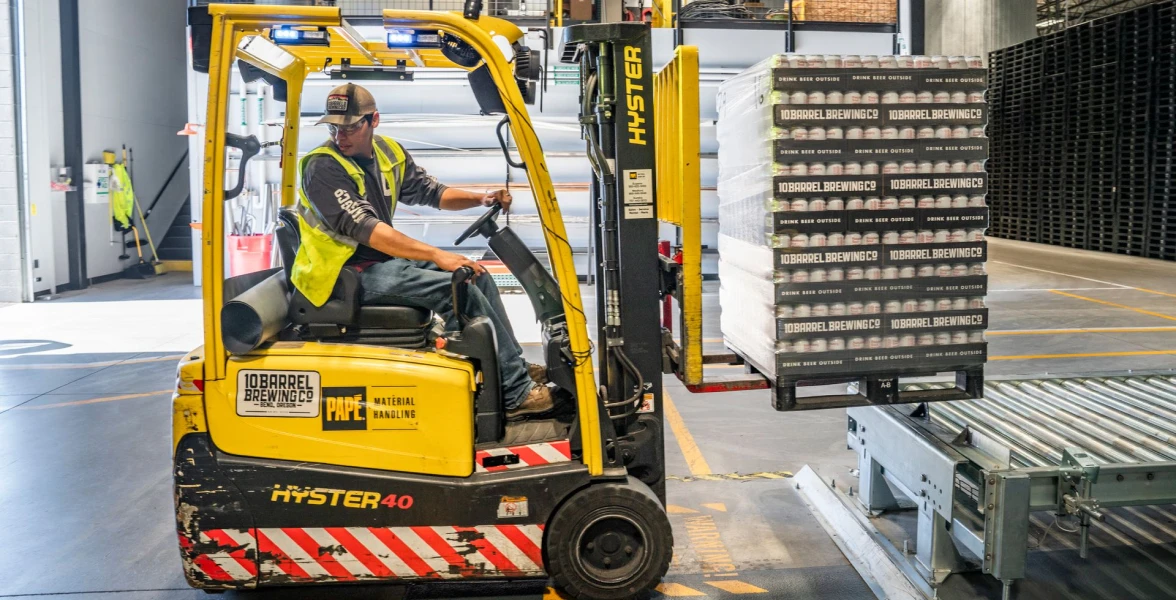
Palletized shipping is the process of loading your product onto a pallet, a standard wooden pallet, a plastic pallet, or another sturdy base, and shipping it as one secured unit rather than loose boxes. That’s the difference between one forklift move and 40 individual trips.
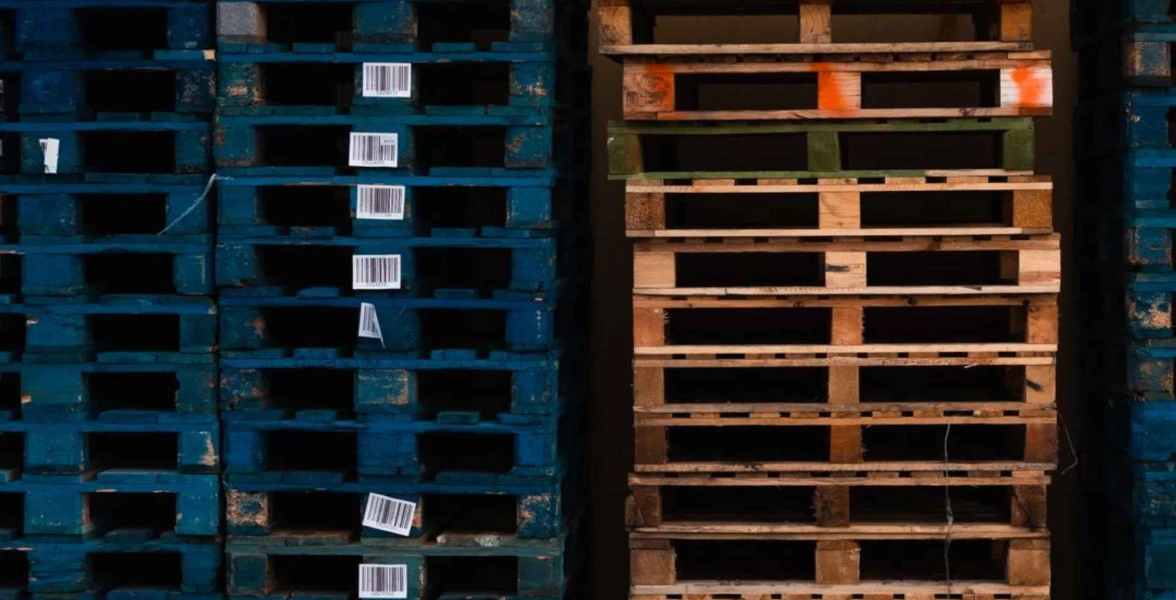
You’ll often hear “pallet” and “skid” used interchangeably, but if you’re comparing a shipping skid vs. pallet, there’s one structural difference.
- A pallet has both a top and bottom deck, which makes it sturdier and easier to stack.
- A skid has only a top deck sitting on runners, with no bottom boards, so it’s usually moved by forklift and is common for heavy equipment like brewhouse tanks.
For billing, carriers count either one as a handling unit.
For beverage companies moving more than a handful of cases at a time, shipping by pallet just makes sense. Kegs, cans, bottles, and dry ingredients like malt and hops all travel better as one stacked unit, with less handling and better protection than loose cartons. Cans and glass need more cushioning than sealed kegs, but the principle is the same: keep the load unified from dock to delivery.
How to Build and Load a Pallet Correctly
To build and load a pallet correctly, choose the right pallet and distribute the weight so the load stays stable. Get either wrong and your shipment gets reweighed (re-measured and re-billed by the carrier), reclassified to a pricier freight class, or damaged in transit.
Choose the Right Pallet Size and Type
Start with the pallet itself, since the right shipping pallet depends on what you’re moving and how it’ll be handled:
- Go with the standard size. In North America, the standard is the 48-by-40-inch GMA (Grocery Manufacturers Association) pallet, the most common new pallet size in the U.S. at about 29% of new wood pallet production.
- Check its weight rating. Load capacity varies by material and construction, so confirm the pallet’s rating against your total load weight before you build. An overloaded pallet is more likely to fail during handling.
- Pick the right material. Pallets come in wood, plastic, or metal, and the right choice usually depends on what you’re moving and how many times it’ll be reused.
- Consider a solid deck plastic pallet for repeat shipments. It costs more upfront but holds up better and won’t suffer from wood’s moisture damage.
Stack and Distribute Weight Properly
A well-built load comes down to a few basics:
- Distribute weight evenly. Load the heaviest items on the bottom and lighter items on top. This is one of the simplest ways to prevent shifting in transit.
- Stay within the pallet’s footprint. Overhang is one of the most common reasons a shipment gets damaged or reweighed at a terminal.
- Use column stacking for kegs and cans. Keeping the load square and centered holds up better than other methods and keeps the unit from shifting or leaning in transit. A leaning pallet is a liability at any terminal.
How to Secure and Wrap Your Pallet
Pallet securing means wrapping a pallet so that it can be moved as a single solid unit, protecting any fragile edges, and staying within safe handling limits so it survives handling, transit, and hard brakes mid-transport:
- Wrap it up right. Stretch wrap is the standard for most freight. We recommend five to six passes from the bottom up in overlapping layers, including a few passes around the pallet base so the load is locked to the pallet itself, not just to the other boxes.
- Watch your height. Try to keep your total pallet height under 60 inches, since carrier limits and surcharge thresholds vary. Before you book, confirm your exact dimensions with our FreightSizer app.
- Handle temperature-sensitive loads differently. Cold-sensitive products need insulation, not just wrap. Our Pallet Parka keeps products within a controlled range without full cold-chain transport.
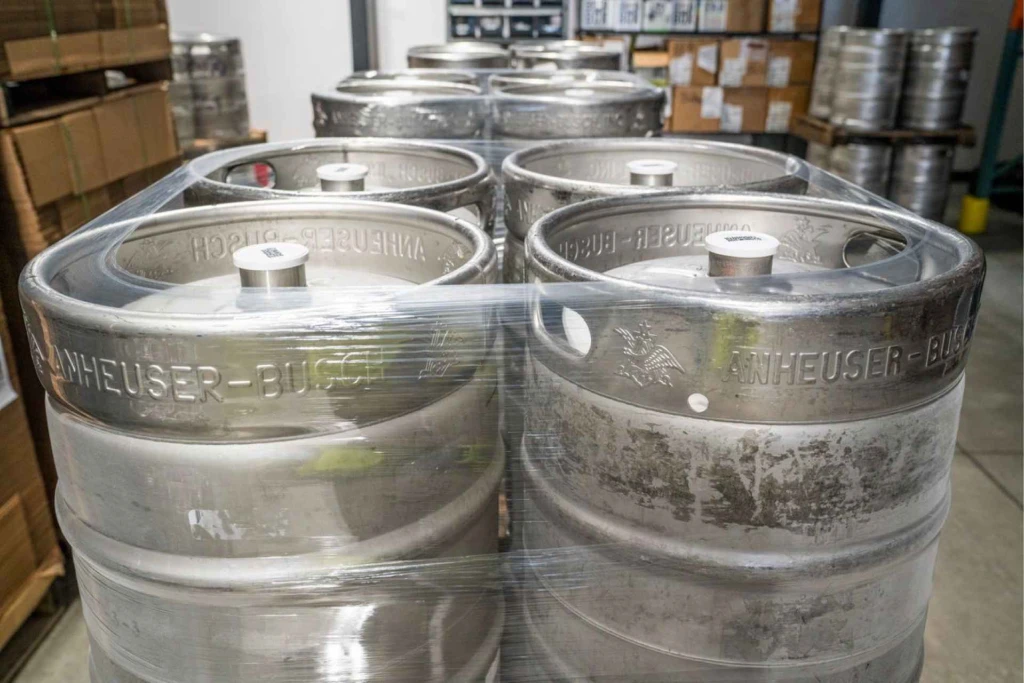
Image Source: Pexels
How to Label and Document a Palletized Shipment
Pallet labeling and documentation consists of applying a shipping label to several sides, completing a Bill of Lading, and clearly marking any special handling instructions:
- Fill out a Bill of Lading (BOL). The BOL is the legal document that acts as the contract between you and the carrier, listing the shipment, destination, weight, and freight class. Get any of that wrong, and you’re looking at a reweigh, a reclass, or a delay.
- Label multiple sides. Place labels on at least two sides, with sender and receiver information clearly marked, so they’re readable whichever way it’s set down.
- Mark handling instructions. If a pallet needs to stay upright, indicate this with a “This End Up” label and note any other special handling instructions.
- Flag fragile items clearly. If you’re shipping anything fragile, mark it as such. Carriers move a lot of freight daily, and a clearly labeled pallet is more likely to get handled right.
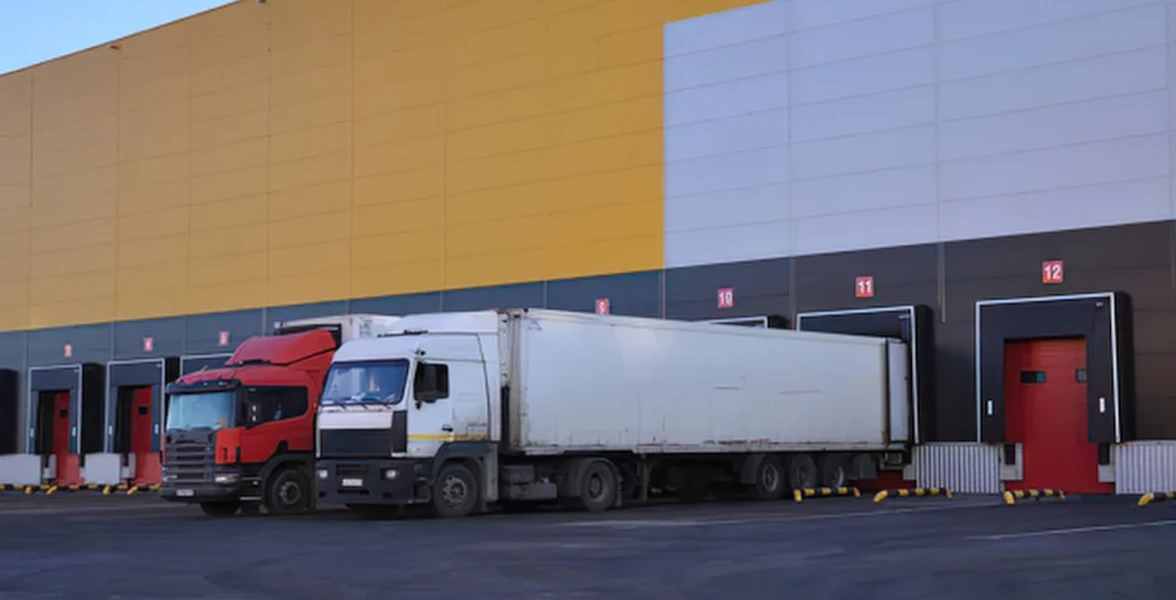
- Plan for the delivery site. If the receiver doesn’t have a loading dock, note it on the BOL. Pallet delivery to a taproom or storefront usually needs a liftgate truck, and the driver will use a pallet jack to move the pallet to the curb. Both may add accessorial charges, so flag them when you book.
How Freight Class and NMFC Codes Affect Your Pallet Shipping Cost
Freight class, set using the National Motor Freight Classification (NMFC) system, is one of the key factors in what you’ll pay to ship a pallet. Every commodity gets assigned a class from 50 to 500 based on four factors: density, stowability, handling, and liability. Lower classes cost less to ship.
Beer, for example, typically falls into a lower, more affordable class than something lightweight and fragile.
Density drives most of that classification, and it’s the piece shippers get wrong most often:
- Check your density before booking. A pallet that’s tall and light is classed higher and more expensive than one that’s compact and dense, even if they weigh the same. Run your dimensions through our Freight Density Calculator so you know your class going in, instead of finding out after a costly reweigh and reclass.
- Compare rates with confidence. Getting your class right also makes it easier to compare pallet shipping quotes and rates across multiple carriers.
- Check codes for your commodity. Our LTL freight class and NMFC codes guide breaks down the classes and codes for beer, kegs, malt, and more.
Shipping a Pallet by LTL vs. FTL (and the Cheapest Way to Ship a Pallet)
LTL suits smaller pallet counts, and FTL suits larger ones. Matching your volume to the right service is usually the cheapest way to ship a pallet. Here’s how the two compare:
LTL (Less-Than-Truckload) | FTL (Full Truckload) | |
Pallet count | Usually one to six pallets | Enough to fill most of a trailer (a 53-foot trailer fits 26 standard pallets) |
Weight | Typically up to about 15,000 lbs | Roughly 42,000 to 45,000 lbs, depending on equipment |
Cost structure | Pay only for the trailer space you use | Pay for the whole trailer, regardless of how full |
Transit speed | Can wait at terminals alongside other shippers’ freight | Faster, more predictable transit |
Between the two sits volume LTL, a middle option for roughly six to 12 pallets that’s often cheaper than paying for a full trailer. Thresholds vary by carrier.
LTL, or less-than-truckload shipping, means sharing trailer space with other shippers and paying only for what you use, which is why most craft beverage shippers land there. FTL, or full-truckload shipping, means paying for the entire trailer, which pays off once you can fill most of it.
Pallet shipping cost within LTL mostly comes down to three things: accurate dimensions and weight to avoid reweigh fees, the right freight class to avoid reclass fees, and consolidating smaller, frequent shipments into fewer, fuller pallets instead of shipping the same volume piecemeal. None of that requires a bigger budget, just better information upfront.
Common Pallet Shipping Mistakes to Avoid
Most pallet shipping mistakes stem from inaccurate measurements, loose wrapping, and incomplete paperwork, all of which are avoidable.
- Guessing at weight and dimensions. Inaccurate measurements are a leading cause of reweigh fees and billing surprises.
- Under-wrapping the load. A loosely wrapped pallet shifts in transit and shows up damaged, or doesn’t show up at all if it falls apart on the dock.
- Shipping the wrong freight class. Whether it’s an honest mistake or an outdated NMFC code, it can lead to reclassification charges that may change your final bill.
- Incomplete BOL information. Missing or incorrect details on the Bill of Lading slow everything down and can complicate a damage claim.
- Ignoring weight distribution. An unbalanced pallet is more prone to tipping, leaning, or being flagged during handling.
Handling touches matter more than most shippers realize. Every time a pallet is loaded, unloaded, or cross-docked at a terminal, it’s another chance for damage. A tightly built pallet on a route with fewer terminal stops is less exposed, and if something does go wrong, a complete BOL makes your cargo claim much easier to file.
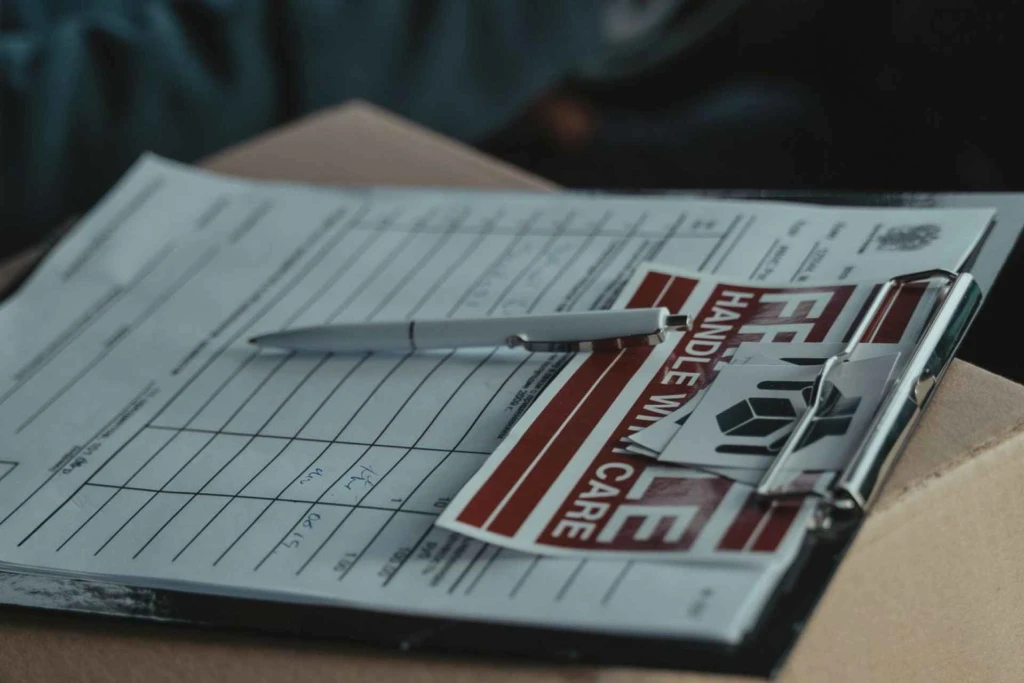
Image Source: Pexels