Table of Contents
- Evaluate Beverage Industry Specialization
- Ask About Their Carrier Network
- Confirm Cold Chain Shipping Capability
- Ask About Regulatory Compliance Support
- Look for Transparency, Communication, and Accountability
- Clarify Service Level Agreements (SLAs) and Long-Term Contracts
- FAQs About Finding a 3PL Provider
- Key Takeaways
- Ready to Find a 3PL That Actually Gets the Craft Beverage Industry?

How to Choose the Right 3PL for Your Craft Beverage Business
Published Date: 20 June 2026
Choosing the right third-party logistics partner is one of the most important supply chain decisions a craft beverage brand can make. From cold chain capability and alcohol compliance to carrier management and scalable fulfillment, the right 3PL helps protect your product, control costs, and keep shipments moving as your business grows.
Finding the right third-party logistics partner is one of the most consequential decisions a craft beverage business can make. The wrong 3PL costs you time, money, and product. The right one handles your supply chain operations quietly and competently so you can focus on what you actually do best.
If you’re actively comparing providers, you’re past the “should I outsource?” question. This post is for the next step: knowing what to look for, what to ask, and which red flags to avoid when evaluating third-party logistics options for your beverage business.
During this evaluation and onboarding period, many breweries rely on shipping container rentals for short-term on-site storage of packaging materials or equipment, providing flexibility without disrupting their long-term warehousing plans once a 3PL partnership is finalized.
Evaluate Beverage Industry Specialization
Beverage logistics has unique limits. These include temperature control, regulatory rules, and fragile packaging. In many cases, it also requires alcohol compliance at the state and federal levels.
Not all 3PL providers are built the same. A logistics company that excels at shipping consumer electronics or retail apparel may not have the first clue about what it takes to move craft beer, kombucha, wine, or specialty ingredients across state lines.
A general-purpose third-party logistics company might move your freight from point A to point B, but they’re unlikely to anticipate the nuances that separate a smooth shipment from a claims nightmare.
When evaluating 3PL logistics options, look for a provider with documented experience specifically in the craft beverage space. Ask about their carrier relationships, their familiarity with TTB regulations, and whether they’ve worked with businesses at your scale. Over two decades of beverage-specific logistics experience, for example, produces a depth of industry knowledge that a generalist provider simply can’t replicate. |
Ensure Experience in Specialized Craft Beverage Shipping
Beer, kombucha, cider, and spirits each have unique shipping challenges. For instance, carbonated beverages must be handled carefully to avoid pressure building up. Temperature changes can harm the live cultures in kombucha.
Alcohol shipments require proper licensing, carrier compliance, and state-level documentation. A 3PL that specializes in beverage shipping will build its logistics processes around these needs.
One that doesn’t will be learning on your dime.
Ask About Their Carrier Network
The strength of a 3PL provider’s carrier network directly determines the rates and reliability you’ll experience. A well-connected provider with access to major carriers can match your shipment to the right carrier based on temperature, distance, and freight type.
A weaker network means fewer options and less leverage, which usually translates to higher overhead costs and slower response times when something goes wrong.
Strong carrier management is one of the core competencies that separates great third-party logistics providers from average ones. It’s worth asking specifically how many carriers they work with and how they vet them.
Confirm Cold Chain Shipping Capability
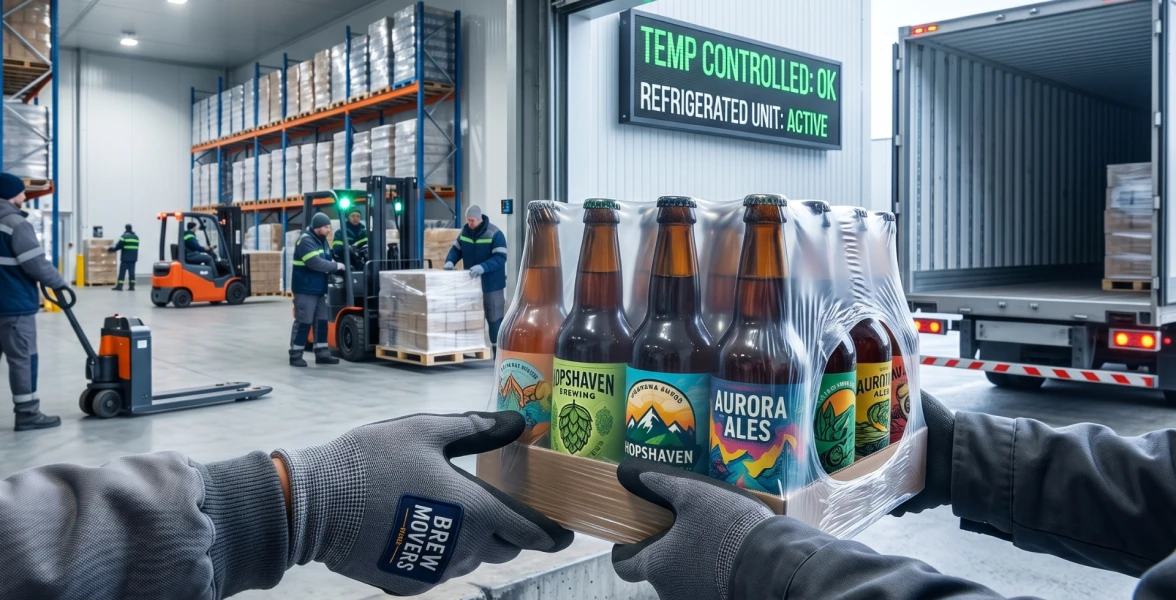
If your products require temperature-controlled shipping, your 3PL needs to have real cold chain infrastructure, not just the ability to book a reefer truck.
There’s a meaningful difference between a provider that occasionally handles refrigerated freight and one that has built temperature-controlled shipping into the core of their logistics services.
Ask how they keep the cold chain intact from pickup to delivery:
- Do they offer custom options for LTL shipments that may sit in a hub for hours?
- What happens if the equipment fails while in transit?
- Do they offer their own insulation technology that can replace chilled transport for some shipments, without hurting product quality?
The Cost Side of Cold ChainTemperature-controlled shipping can be expensive. But outsourcing logistics to the right partner should reduce costs over time, not just shift them around. The right 3PL should work to reduce shipping costs. It can use route optimization, load consolidation, and insulation technology to reduce the need for refrigerated transport on qualifying shipments. If your prospective 3PL isn’t talking about cost savings and cost optimization alongside service quality, that’s worth noting. The goal of a strong logistics partnership is to protect your profit margins, not just your product temperature. |
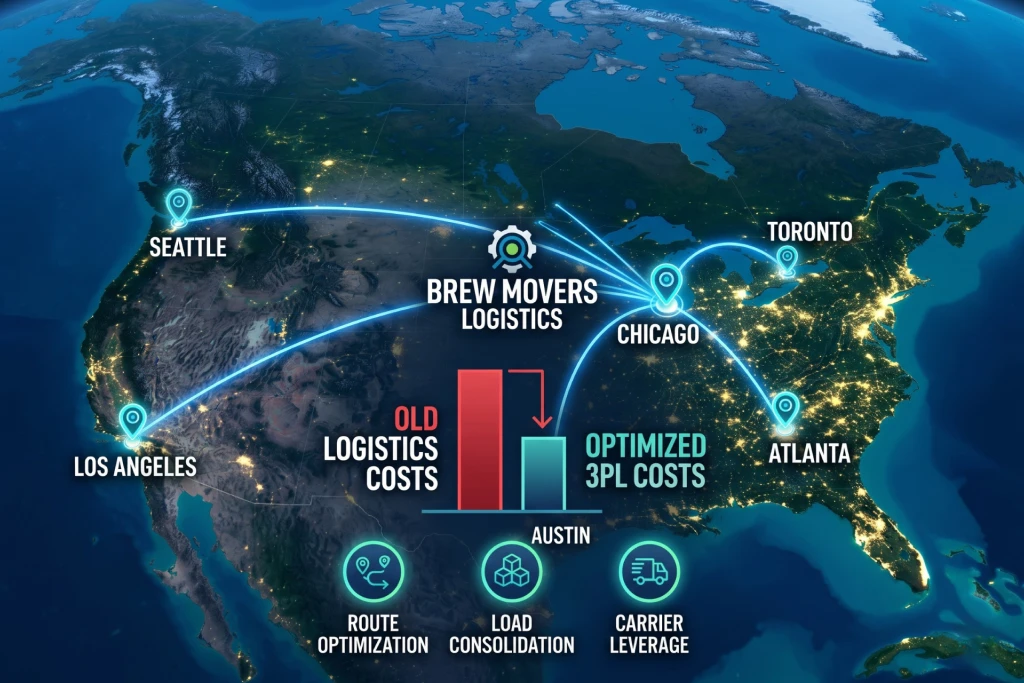
Image Source: Gemini 2026
Ask About Regulatory Compliance Support
Shipping alcoholic beverages across North America involves many regulations, and these rules vary by province or state, by product type, and by carrier policy. Compliance failures don’t just delay shipments. They can lead to fines, seized products, or damaged partner relationships.
The right 3PL logistics partner should be able to walk you through the regulatory requirements relevant to your specific products and shipping lanes. Beyond familiarity with the rules, they should actively manage compliance on your behalf as part of their standard logistics operations.
When vetting providers, ask directly:
- Who on your team manages alcohol shipping compliance?
- How do you stay current with state-level regulatory changes?
- Have you had shipments flagged or refused at delivery due to compliance issues, and how did you handle it?
The answers will tell you a lot about how seriously a third-party provider takes this part of the job.
| Note: Kombucha with trace alcohol content, beverages with specific health claims on the label, or products containing certain ingredients can all trigger scrutiny at the carrier or customs level. A knowledgeable 3PL understands where those lines are and helps you stay well clear of them. |
Review Supply Chain Management for Scalability and Flexibility
You’re not just choosing a vendor for where your business is today. You’re choosing a partner for where it’s going. Strong supply chain management means your 3PL can handle growth, seasonal spikes, and new product lines without requiring you to find a new provider every time your needs change.
Ask about their experience onboarding growing businesses:
- What does their process look like when a client’s volume doubles?
- Can they handle both LTL and FTL shipping depending on order size?
- Do they offer fulfillment services across the full supply chain, including inbound ingredient and equipment shipping, not just outbound product distribution?
- Can they support all your sales channels, including direct-to-consumer (DTC), retail, and distributor fulfillment?
Inbound Logistics Matter as Much as OutboundMany beverage businesses focus solely on outbound logistics when evaluating a third-party logistics (3PL), but inbound freight for hops, malt, fruit, cans, kegs, and brewing equipment is equally important. Disruptions on the inbound side can halt production and create cascading delays that affect your customers. Look for a 3PL provider that handles both ends of the supply chain with equal competence. The best partners offer value-added services like inventory management, helping you track inventory levels and avoid the kind of inbound shortfalls that derail production schedules |
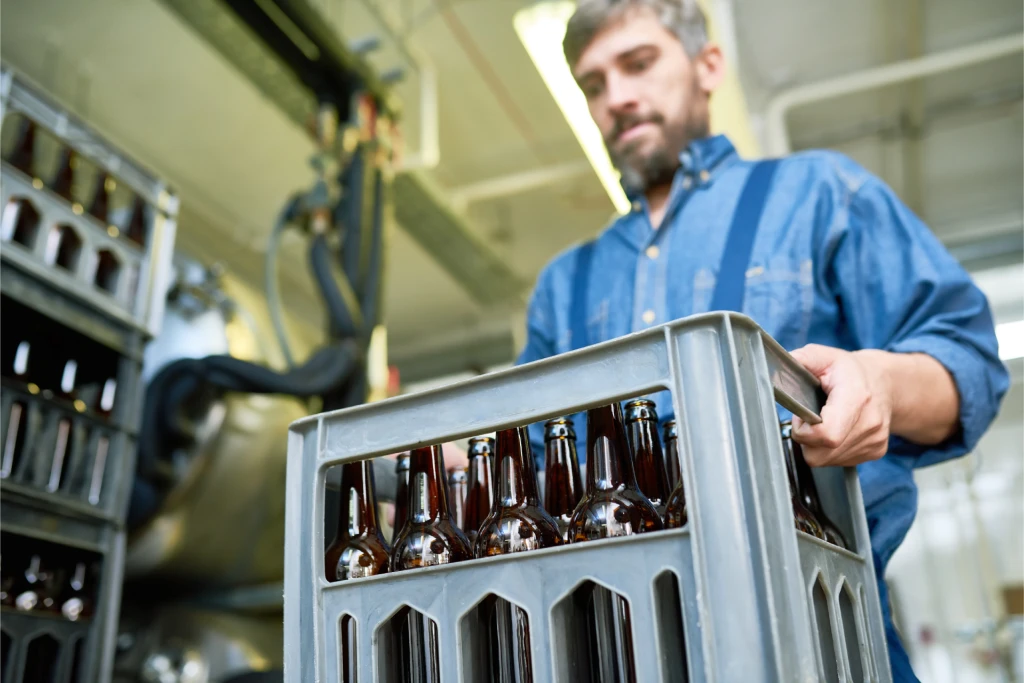
Image Source: Envato
Look for Transparency, Communication, and Accountability
Logistics partnerships fail most often not because of freight problems, but because of communication problems. You need a 3PL that tells you what’s happening with your shipments in real time, surfaces issues proactively, and takes accountability when things go wrong.
Ask about their technology infrastructure.
- Do they offer real-time visibility into your shipments?
- How do they handle claims?
- What’s their average resolution time?
A provider who can answer these questions clearly and confidently has seriously considered the client experience. One that gives vague answers probably hasn’t.
Advanced technology and warehouse management software matter here, too. If your 3PL provider can integrate with your systems and give you a clear picture of your supply chain efficiency at any given moment, you’re in a much stronger position to make smart decisions about inventory, production, and fulfillment operations.
Clarify Service Level Agreements (SLAs) and Long-Term Contracts
Before signing anything, get clear on the terms. What does the service level agreement guarantee? Are there long-term contracts that lock you in before you’ve had a chance to evaluate performance? What are the penalties if they miss the mark?
A confident 3PL provider with a strong track record will be transparent about their commitments. One that buries accountability language in the fine print isn’t telling you something important.
FAQs About Finding a 3PL Provider