Table of Contents

How to Ship Perishable Food and Refrigerated Goods Safely
Published Date: 15 August 2025
The most effective way to ship perishable food and refrigerated items is to use insulated containers, cold packs, or refrigerated trucks, depending on the product and the distance. Following FDA and CFIA food safety guidelines helps ensure freshness while keeping shipping costs under control.
Shipping perishables presents unique challenges that require careful planning and expertise. It’s not just about getting them from point A to point B; it’s about ensuring they arrive as fresh and flavorful as when they left your facility.
Whether you’re sending fresh produce, dairy products, beer, or kombucha, maintaining product integrity throughout the shipping process is crucial. As experts in beverage logistics and shipping perishables, we have a few secrets to share when it comes to shipping perishable food. We’ll share some of the industry’s best practices so you, too, can keep your goods fresh, safe, and crisp all the way from the source to your client’s table.
Why is Shipping Perishable Food Challenging?
Perishable shipping presents unique challenges in keeping food cold throughout the entire cold chain. Perishable items, such as fresh produce, dairy products, and frozen food, spoil quickly if not handled and stored properly.
Think of the cold chain like a relay race where suppliers pass the food or goods along the supply chain, keeping it within a safe temperature range. If the cold chain breaks when you ship frozen food, even for a short time, the product can spoil or lose its intended flavor.
Unfortunately, this happens often. The United Nations Environment Programme (UNEP) states that 14% of annual food loss worldwide can be attributed to cold chain shipping and poor infrastructure, resulting in 17% of food being wasted. That’s why proper packaging, the right shipping carrier, and temperature monitoring are critical for any shipping process.
Additionally, delays during transit can expose your goods to varying conditions, potentially leading to spoilage. Packaging is another critical factor; it must be robust enough to protect against temperature shifts and physical damage.
Image Source: Canva
How to Package Food for Shipping?
The foundation of perishable shipping is proper packaging. Without the right packing material, even cold or frozen food can spoil mid-shipment. Use the following tips for shipping perishable items properly:
- Use Insulated Containers: Styrofoam boxes or thermal liners help regulate temperature. Use them to ship cold items and prevent them from spoiling.
- Wrap Items in Watertight Plastic Bags: Prevent leaks and mold from moisture buildup.
- Place Gel Packs and Ice Packs Beside Packages: Ideal for short-distance perishable delivery where dry ice isn’t required.
- Add Packing Peanuts and Bubble Wrap: Fill extra space and cushion fragile food items.
- Double Bag Fragile Items: Provide extra protection against spills or cross-contamination.
Every food type has an ideal shipping method for efficient shipping. Here’s a quick chart for your reference:
| Food Type | Best Shipping Method | Temperature | Packaging Tips |
|---|---|---|---|
| Fresh produce | Insulated container, gel packs | 32–40°F | Use watertight plastic bags and bubble wrap to prevent spills |
| Dairy & raw meat | Reefer truck or temperature-controlled shipping | 34–39°F | Double bag, use ice packs, and place in a sturdy box |
| Frozen food items | Dry ice or reefer truck | 0°F or below | Pack in styrofoam boxes, add packing peanuts, and seal in plastic wrap |
| Baked goods | Overnight shipping with cold packs | < 70°F | Use proper packaging to prevent crushing and moisture |
Shipping and Handling Tips
Shipping refrigerated items requires careful planning. From frozen goods to baked goods, each product needs a slightly different approach:
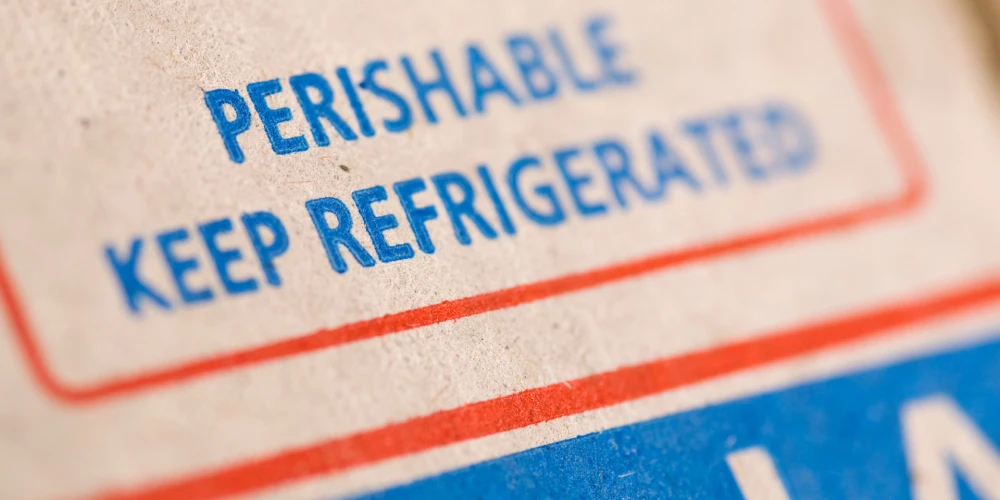
- Label perishable products clearly so carriers know they require special handling.
- Choose the right shipping carrier with proven experience in temperature-sensitive products.
- Factor in shipping cost vs. speed. Sometimes, flat rate shipping isn’t the best option if it risks spoilage.
To preserve freshness, maintain a closed cold chain from the warehouse to delivery. Temperature-controlled shipping is crucial for perishable goods such as raw meat, dairy products, and frozen items.
Can Reefer Trucks Help with Shipping Perishables?
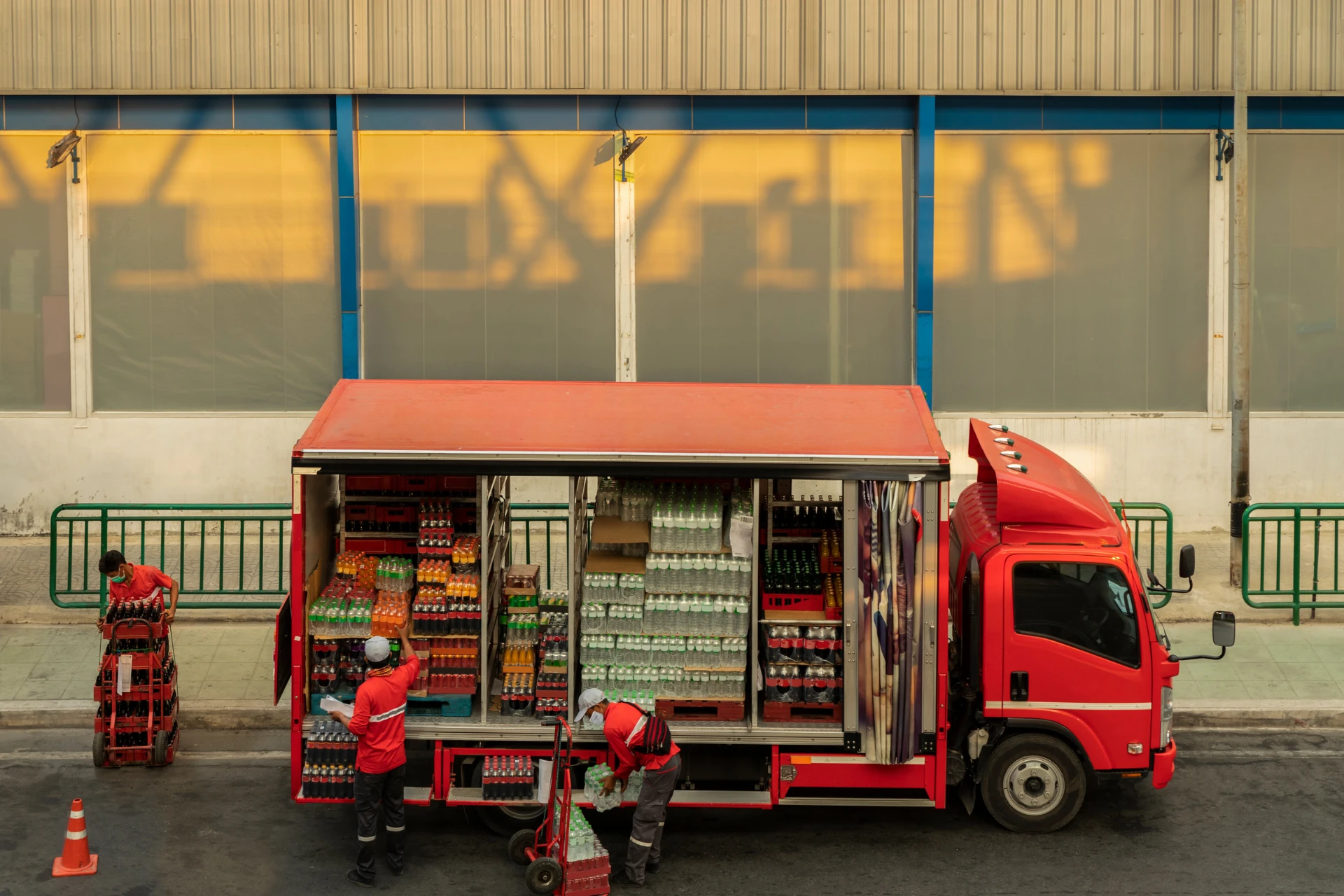
Yes, they can! Reefer trucks are the gold standard for shipping cold or frozen food long distances. They act as moving refrigerators with active temperature control.
They’re especially important when shipping food items like raw meat, fresh produce, frozen food items, or baked goods that must arrive intact. While not always the most cost-effective way to ship, reefer trucks ensure freshness and reduce the risk of exposure to hazardous materials.
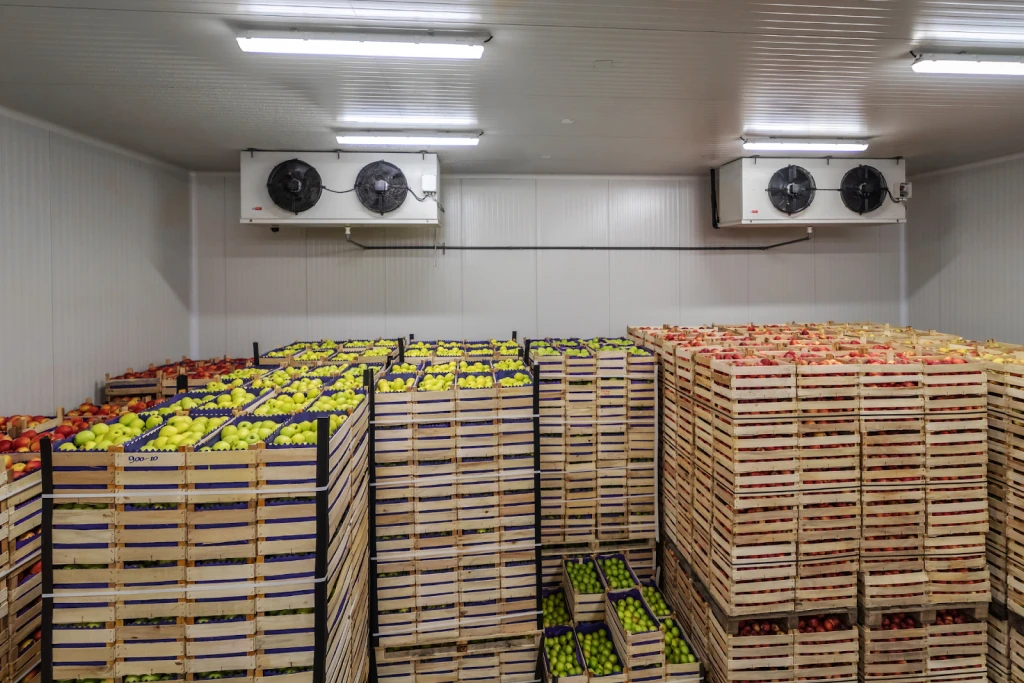
Image Source: Canva
What’s The Cheapest Way to Ship Perishable Food?
Finding the most cost-effective way to ship perishable food means using options that still protect your perishable goods without cutting corners. Consider the following:
- LTL Shipping: Involves consolidating shipments and sharing refrigerated freight costs with other businesses, making it a cost-effective option for large quantities of perishable goods. However, it might not be suitable for small-scale operations or perishable items with short shelf lives.
- The Pallet Parka: Keeps frozen items stable against heat and frost, saving money on dry ice and packing material. Also helps maximize space in shipping containers by minimizing void space with packing peanuts
- Refrigerated Freight Consolidation: Combines perishable deliveries from multiple companies to reduce overall shipping prices.
While these methods can save money, they aren’t ideal for highly sensitive frozen food items like ice cream. In those cases, shipping dry ice or reefer trucks may be worth the cost.
| It’s essential to adhere to the FDA’s FSMA Sanitary Transportation Rule. The rule ensures that even as shipping prices are reduced, the safety of refrigerated and perishable goods is never compromised through proper temperature controls and documented procedures. |
FAQs