Table of Contents
- What Is LTL Shipping?
- What Is FTL Shipping?
- LTL vs FTL Shipping: Key Differences at a Glance
- Cost Comparison: Is LTL Cheaper Than FTL?
- Transit Time and Delivery Speed
- Handling and Damage Risk
- Which Option Is Right for Your Beverage Business?
- FAQs About LTL and FTL Freight
- Key Takeaways
- Let Brew Movers Simplify Your Shipping Decision

LTL vs FTL Shipping: What’s the Difference?
Published Date: 20 August 2026
LTL shipping consolidates multiple shippers’ freight to share trailer space, while FTL shipping dedicates an entire truck to a single shipment. LTL costs less for smaller loads under six pallets; FTL offers faster transit and lower damage risk for larger shipments.
If you’ve ever priced out moving a single pallet of kegs versus shipping a full truckload of canned seltzer, you’ve likely seen that freight rates aren’t one-size-fits-all. Deciding between LTL and FTL shipping comes down to load volume, your budget, and how quickly your beverage products must arrive at their final destination.
At Brew Movers, we help beverage companies across North America work through this exact decision every day, whether you’re a brewery, a kombucha startup, or a soda brand scaling into new markets. Understanding LTL vs FTL shipping is the first step to shipping smarter.
What Is LTL Shipping?
LTL stands for less than truckload.
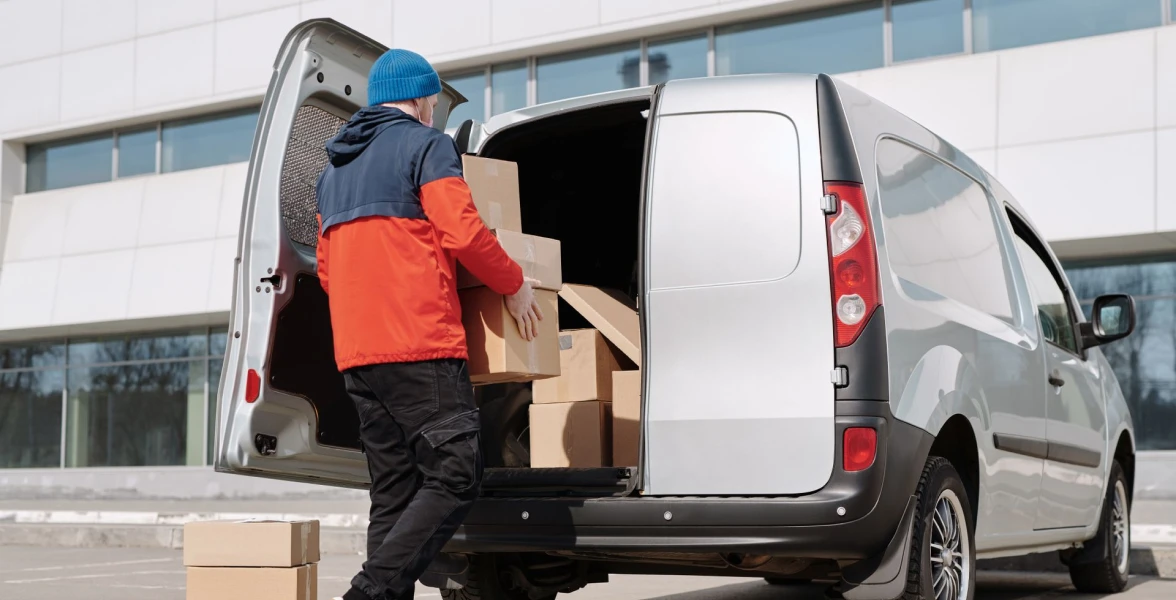
LTL shipping refers to freight that shares a trailer with shipments from other businesses, rather than occupying an entire truck. Instead of being billed for a full truckload, the shipper pays only for the space their freight actually uses.
LTL loads usually cover one to six pallets or under 14 linear feet, making them a budget-friendly option for smaller shipments. It’s a common shipping method for breweries, kombucha producers, and soda brands that move smaller shipments of ingredients, packaging, or finished products.
Our LTL shipping services connect beverage companies with a network of 115+ LTL carriers to keep freight shipping costs competitive.
What Is FTL Shipping?
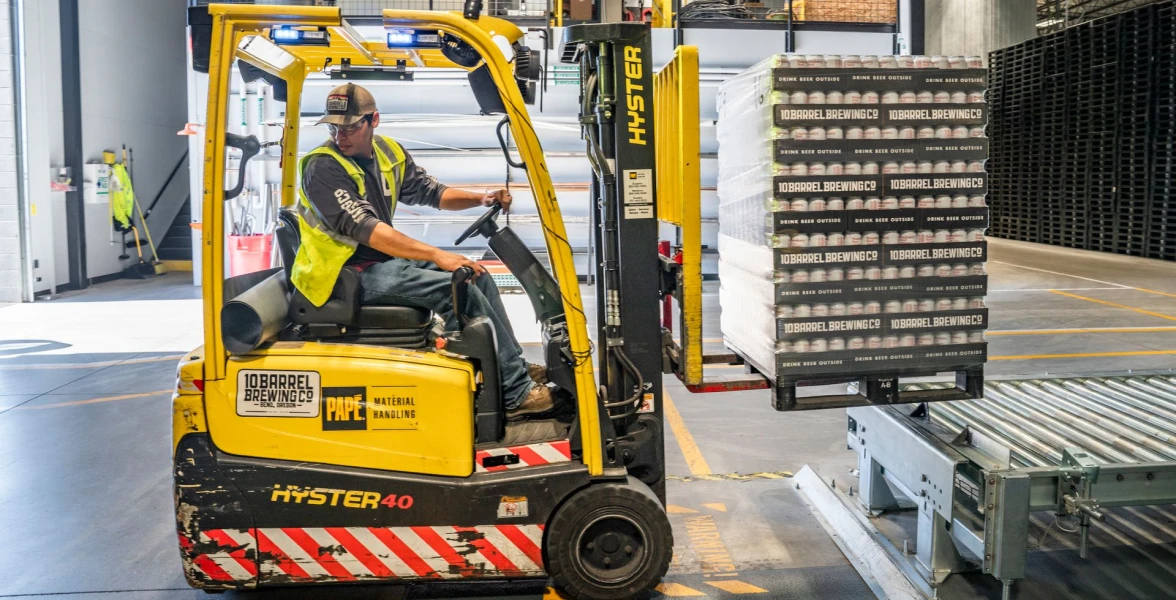
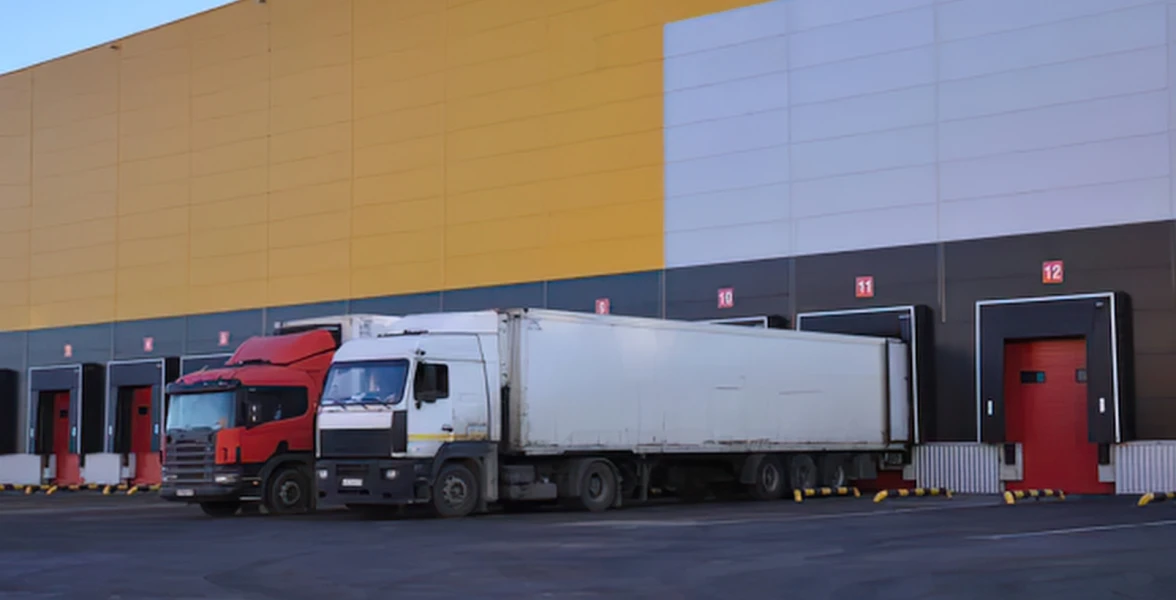
FTL shipping, or full-truckload shipping, gives a shipper exclusive use of the entire truck. There are no multiple stops to load or unload other shippers’ freight, so FTL shipments benefit from a direct route and faster delivery times.
FTL shipments can handle loads up to 45,000 pounds, since standard dry van trailers are built to make the most of the federal 80,000-pound gross vehicle weight limit, and full-truckload shipping is generally the better option for large shipments or fragile freight that cannot tolerate multiple handling points.
LTL vs FTL Shipping: Key Differences at a Glance
Factor | LTL Shipping | FTL Shipping |
| Best for | Smaller shipments, a few pallets | Large shipments, full truck |
| Shipment size | 1 to 6 pallets, under 14 linear feet | Over 10,000 lbs or 10+ pallets |
| Cost | Lower cost for smaller loads | Cost-effective at higher volume |
| Transit time | Longer, due to multiple stops | Shorter, direct route |
| Handling risk | Higher, due to multiple handling points | Lower, fewer handling points |
Cost Comparison: Is LTL Cheaper Than FTL?
Whether LTL or FTL is cheaper depends entirely on shipment size.
LTL is typically the lower cost option for shipments under six pallets, since you’re only paying for trailer space rather than an entire truck. FTL becomes the more cost-effective choice once a shipment exceeds 10,000 pounds, as spreading the flat rate across a larger volume yields real cost savings.
LTL pricing also often includes additional accessorial surcharges and fees tied to freight class, which can quickly add up. By contrast, FTL freight shipping typically includes fewer add-on charges, which explains why larger beverage shippers can achieve meaningful savings by consolidating shipments into fewer, fuller loads.
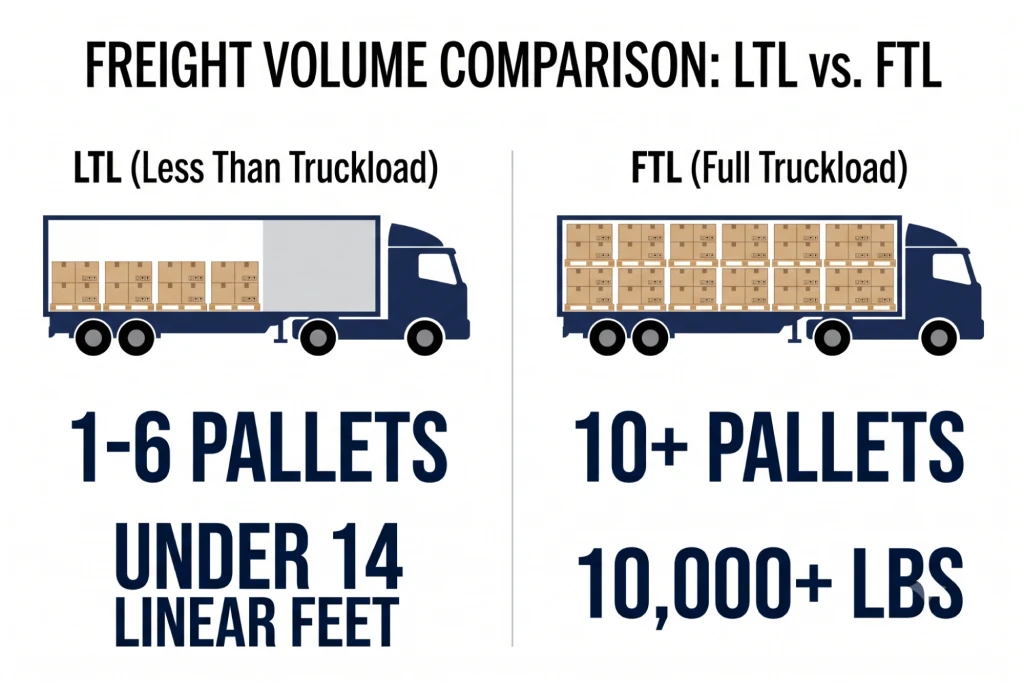
Image Source: Gemini 2026
Transit Time and Delivery Speed
Is FTL faster than LTL? Almost always.
FTL shipments travel a direct route from pickup to final destination, with no intermediate stops, giving shippers firm delivery dates. LTL freight, by contrast, is loaded and unloaded at multiple terminals as the truck picks up and drops off other shipments, which means LTL delivery dates can deviate from initial estimates.
For time-sensitive deliveries, like beverage festival logistics, FTL is usually the safer bet.
Handling and Damage Risk
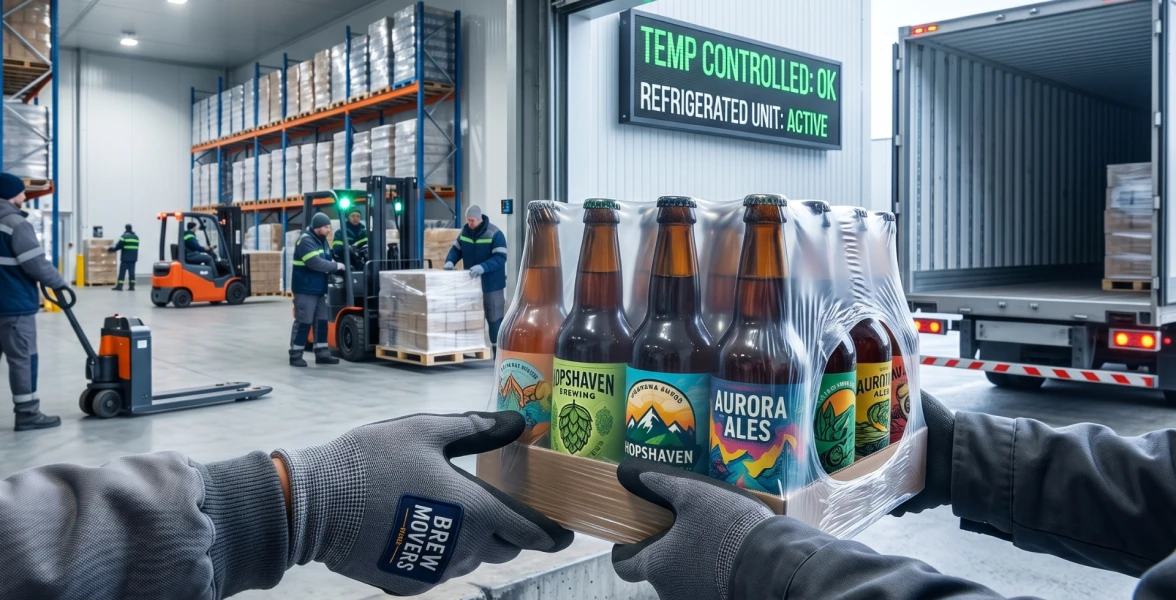
Fragile freight, such as glass bottles or kegs, is more vulnerable in LTL shipping due to increased handling at each stop. FTL shipments are loaded once and transported directly to the endpoint, reducing the number of handling steps and the risk of damage.
If you’re shipping properly packaged but fragile products, this is worth weighing alongside cost.
Which Option Is Right for Your Beverage Business?
The right shipping method depends on volume and timeline.
A new kombucha brand shipping a few pallets to a regional distributor will likely find LTL the more economical option. A growing brewery sending a full truckload across state lines will often benefit from FTL, since fewer handling points mean less risk to fragile cans, kegs, or glass bottles.
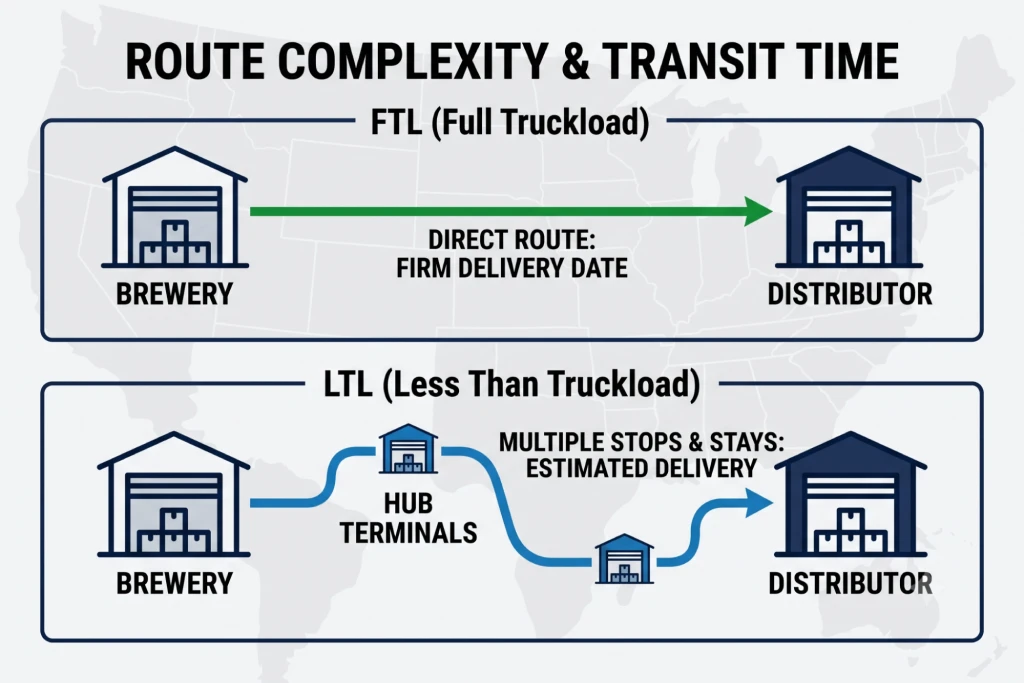
Image Source: Gemini 2026
FAQs About LTL and FTL Freight