Skip to content

Join our
Mailing List

Stay up-to-date with BREW MOVERS latest news and service offerings.

Share

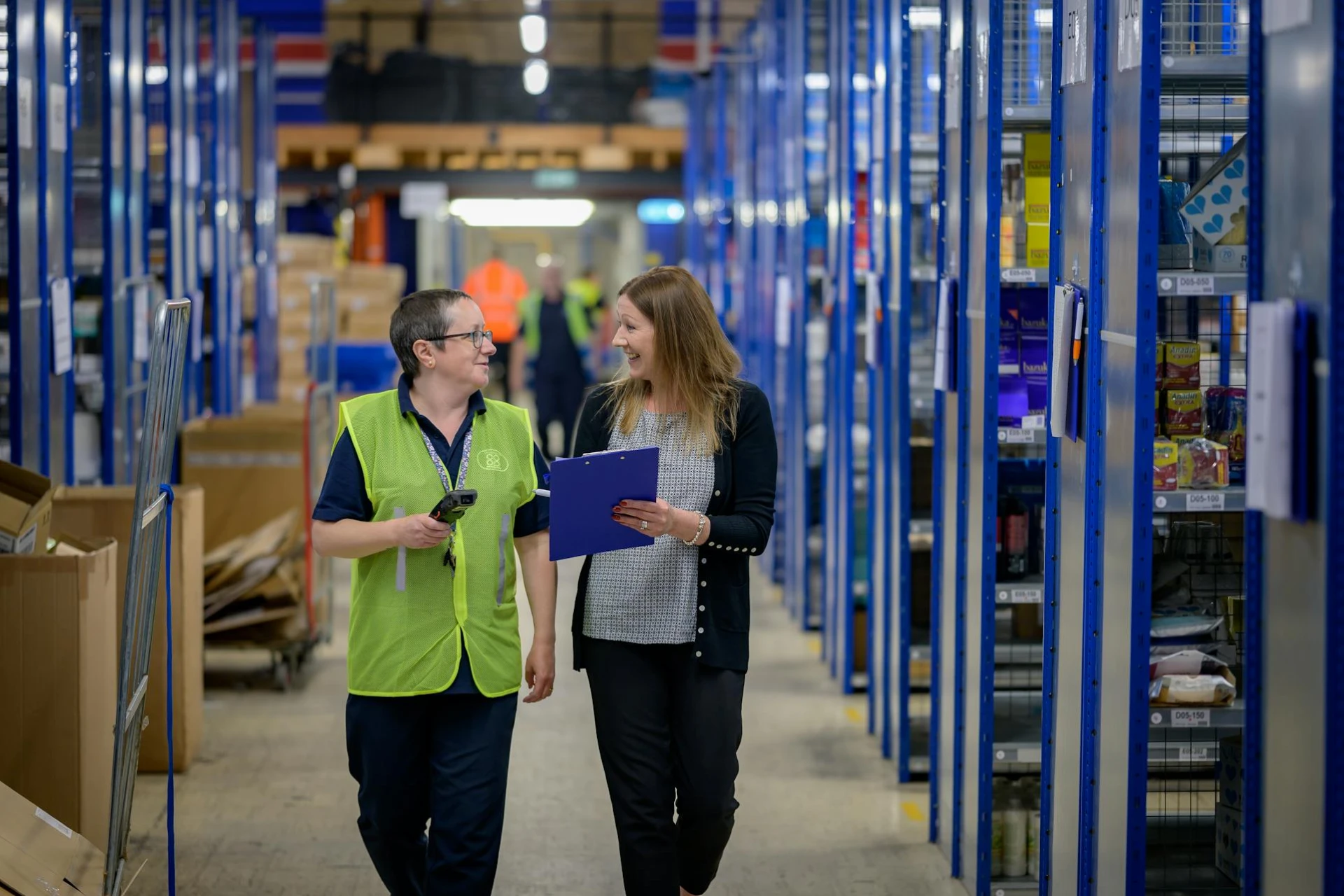
Warehouse manager wearing green safety vests inside a warehouse
Home / Blog / Shipping & Logistics

What Is Warehouse Logistics?

Published Date: 16 May 2024

Last Updated: March 2026


Optimize your beverage supply chain with expert warehouse logistics. Effective warehouse operations ensure your craft beer, soda, and spirits stay fresh. Our warehousing logistics solutions manage storage facilities and inventory management systems to reduce costs and improve industry-leading shipping service.

Have you ever shipped a case of your finest craft beverage only to hear from a customer that it arrived warm? Perhaps even worse, did it arrive spoiled? These issues lead to disappointed customers and damaged products. These are the costly consequences of inefficient warehouse logistics. 

For craft beverage producers, a well-oiled warehouse operations system is the secret weapon. It ensures your delicious creations reach customers exactly as they left your facility.

Warehousing logistics is the science of managing everything that happens within a storage facility. This includes receiving your craft beverage and securely shipping it out. It’s especially crucial for perishable products such as kombucha, soda, and craft beer. In these cases, temperature control and careful handling are vital.

What Does Warehouse Logistics Do?

At its core, warehouse logistics facilitates the orderly flow of goods and information, acting as a vital bridge between production and distribution. It ensures products are stored safely and tracked accurately, preventing supply chain breakdowns and allowing companies to manage inventory effectively.

When optimized, it reduces costs, minimizes waste, and fulfills customer orders on time. For beverage brands, that means fewer delays, fewer spoiled shipments, and more orders arriving exactly as intended.

Are Warehousing and Logistics the Same?

Not quite. The two are related but distinct.

➡️ Logistics refers to managing how resources are acquired, stored, and moved from point A to point B across the supply chain. It involves coordinating people, facilities, and supplies. 

➡️ Warehousing involves the physical storage, organization, and handling of goods within a warehouse facility. It includes organizing inventory, handling materials, and maintaining storage space.

What Are the Three Key Parts of Warehousing Logistics?

To better understand warehousing and logistics, let’s look at the three primary pillars that support warehouse management.

  1. Warehouse Management Systems (WMS): These are technology solutions that control and optimize warehouse operations.
  2. Inventory Management: This involves organizing inventory and maintaining efficient inventory management to prevent stockouts.
  3. Order Fulfillment: The entire process of receiving, packing, and shipping an order to ensure customer satisfaction.

When combined, these three make up the basics of warehousing logistics that ensure your products are received, stored, and shipped in mint condition.

The Logistics Process in a Warehouse

Once received, products follow a specific logistics flow within a warehouse. From reception to shipping, here’s how an optimized logistics process gets products out the door in perfect condition.

1. Receiving Raw Materials and Finished Products

Upon arrival at the warehouse facility, your craft beverage or raw materials are meticulously inspected. Staff checks for damage and quantity discrepancies against packing slips. Proper warehousing operations start with this critical first step.

2. Storing and Storage Facilities

Products are placed in a dedicated space based on their characteristics. This might involve using specialized pallet racking or strategically placed shelving for cases. 

For beverage shipping, this often includes dedicated cold-storage facilities for temperature-sensitive items such as wine and spirits.

3. Efficient Picking Processes

Once an order arrives, personnel locate the specific items using a data management system. An efficient picking process ensures accuracy and minimizes errors. This is a vital component of warehouse management.

4. Packing for Secure Transport

Craft beverages are carefully packed with secure materials. Using insulated packaging helps avoid damage during transit. This is especially important for delicate glass bottles and keg shipments.

5. Shipping and Transportation Costs

The final step involves securely packaging and shipping your products. Warehouse logistics also encompass selecting the most cost-effective and time-sensitive shipping carrier. This helps reduce transportation costs while maintaining shipping costs within budget.

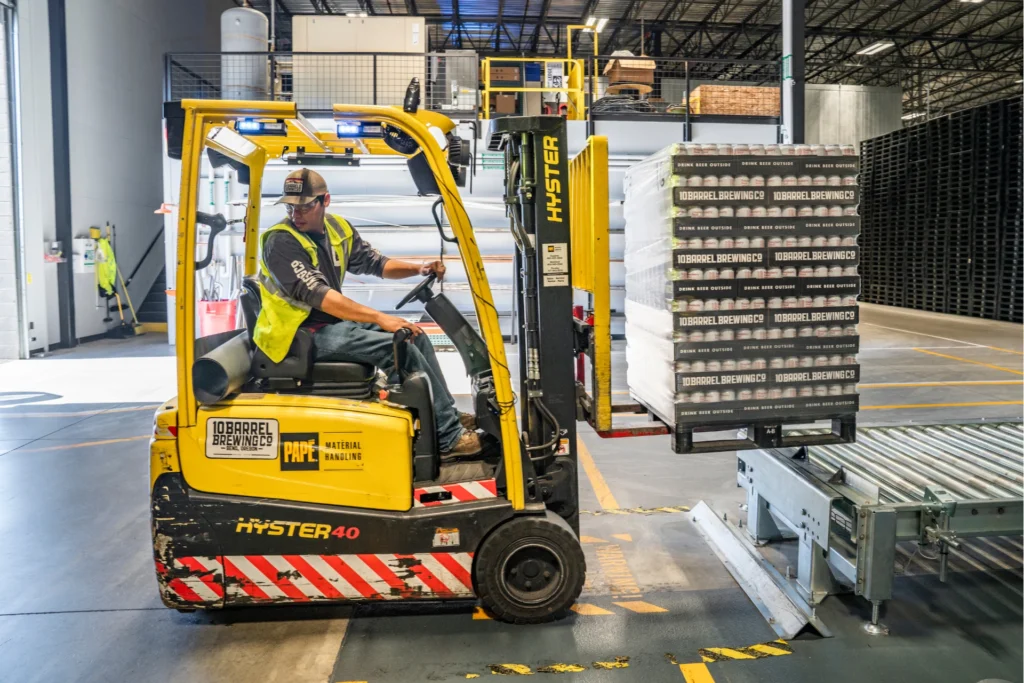
Forklift operator moving a pallet of brewed beverage

Image source: Pexels

What Are the Four Major Types of Warehousing?

Different types of warehouses cater to businesses with different needs, depending on their size and supply chains. Explore the types of warehousing for operational efficiency below. 

  • Public Warehouse: Offers flexible warehouse space for rent to various businesses; often used for short-term needs or by smaller companies that don’t need a dedicated space.
  • Private Warehouse: Owned and operated by the company; provides complete control over warehousing activities. This is often the choice for large producers with stable customer demand.
  • Contract Warehouses: Managed by a third-party provider, these offer expertise and resources. This is a logistics solution for companies without the means to manage their own warehousing operations.
  • Bonded Warehouses: Where alcoholic beverage companies store imported physical goods or spirits before paying taxes. This helps manage the red tape and logistical headaches associated with transporting alcoholic beverages.

Optimizing Warehousing Operations for Beverage Owners

For temperature-sensitive craft beverages, maintaining consistent storage conditions is paramount. Warehousing and logistics for beverages require specialized attention to safety measures and quality control. Here’s how your warehouse can guarantee efficient operations.

Implementing Warehouse Management Systems

These are the backbone of a modern warehouse. A modern warehouse management system (WMS) helps you track inventory in real time. It can generate pick paths and reports to identify cost-saving opportunities. 

Automation in Warehouse Operations

Incorporating automation, like robots or conveyor systems, can streamline repetitive tasks. While the initial investment might be higher, it can significantly increase efficiency and reduce costs over time.

Proper Inventory Management and FIFO

The First-In, First-Out (FIFO) system prioritizes the use of older stock. This is a cornerstone of efficient inventory management. It minimizes spoilage risk and ensures you are always shipping the freshest products.

Safety Measures and Staff Training

A well-trained workforce is essential for smooth operations. Staff should be trained in the proper handling of shipping beverage equipment and shipping beverage ingredients. This ensures the logistics process remains safe and productive.

Warehouse manager looking at inventory reports

Image source: Pexels

FAQs About Warehouse Operations

Use temperature-controlled solutions, such as the Pallet Parka, to maintain conditions throughout delivery. It provides an economical way to bypass the cost of chilled transport while maintaining product integrity during logistics across North America.

Yes. We specialize in white-glove shipping for beverages, ingredients, and brewery tank shipping. Our expert network manages the “red tape” and logistics, making it cheaper and more efficient than typical ingredient vendors.

Beer is typically shipped as Class 65 with NMFC code 111470. However, specific classes may change based on the load. Our team assists with carrier vetting and ensures correct documentation for every shipment.

Key Takeaways

  • Warehouse logistics covers everything from receiving and storing goods to packing and shipping; it’s the backbone of your supply chain.
  • Warehousing ≠ logistics: Warehousing is about physical storage; logistics is the broader process of moving goods from point A to B.
  • Three pillars drive it all: Warehouse Management Systems (WMS), inventory management, and order fulfillment.
  • Temperature control is critical for perishable beverages like craft beer, kombucha, and wine; cold storage and insulated packaging are non-negotiable.
  • Four warehouse types exist: public, private, contract, and bonded, each suited to different business sizes and needs.
  • FIFO (First In, First Out) prevents spoilage by ensuring older stock ships first.
  • Automation and WMS technology reduce costs and errors while improving speed and accuracy.
  • Proper staff training keeps operations safe and efficient, especially when handling fragile or temperature-sensitive products.

Your Partner in Beverage Supply Chain Management

Logistics shouldn’t get in the way of making great beverages. At Brew Movers, we handle the heavy lifting, from ingredient sourcing to final delivery, so you can focus on your craft. 

As the industry’s only white-glove shipping service for craft beverages, we manage the red tape, the cold chain, and everything in between. Our proprietary Pallet Parka insulation system keeps your products at the right temperature without the cost of chilled transport.

Beer, soda, kombucha, spirits, wherever you ship across North America, we’ve got you covered. Ready to reduce costs and increase efficiency in your supply chain? Contact Brew Movers today.